


Welcome to our blog!
Welcome to the Evolve Wellness blog, a space for insight, inspiration, and healing. Here, we explore the many dimensions of holistic health, ranging from mind-body practices to seasonal self-care tips.
Our goal is to share knowledge that empowers you to connect more deeply with yourself and your well-being. Whether you're curious about acupuncture, therapy, nutrition, energy work, or anything in between, you'll find thoughtful guidance rooted in compassion and connection.
We’re so glad you’re here! Let’s grow and evolve together.
NOTE: To subscribe, you must check the “Sign up for news and updates” box.

Your fall wellness check-in: Here’s what your body needs as the seasons change.
Our bodies are constantly responding to changes in our environment, routines, and seasons. Fall can be a good reminder to pause, check in, and adjust how we are caring for ourselves.
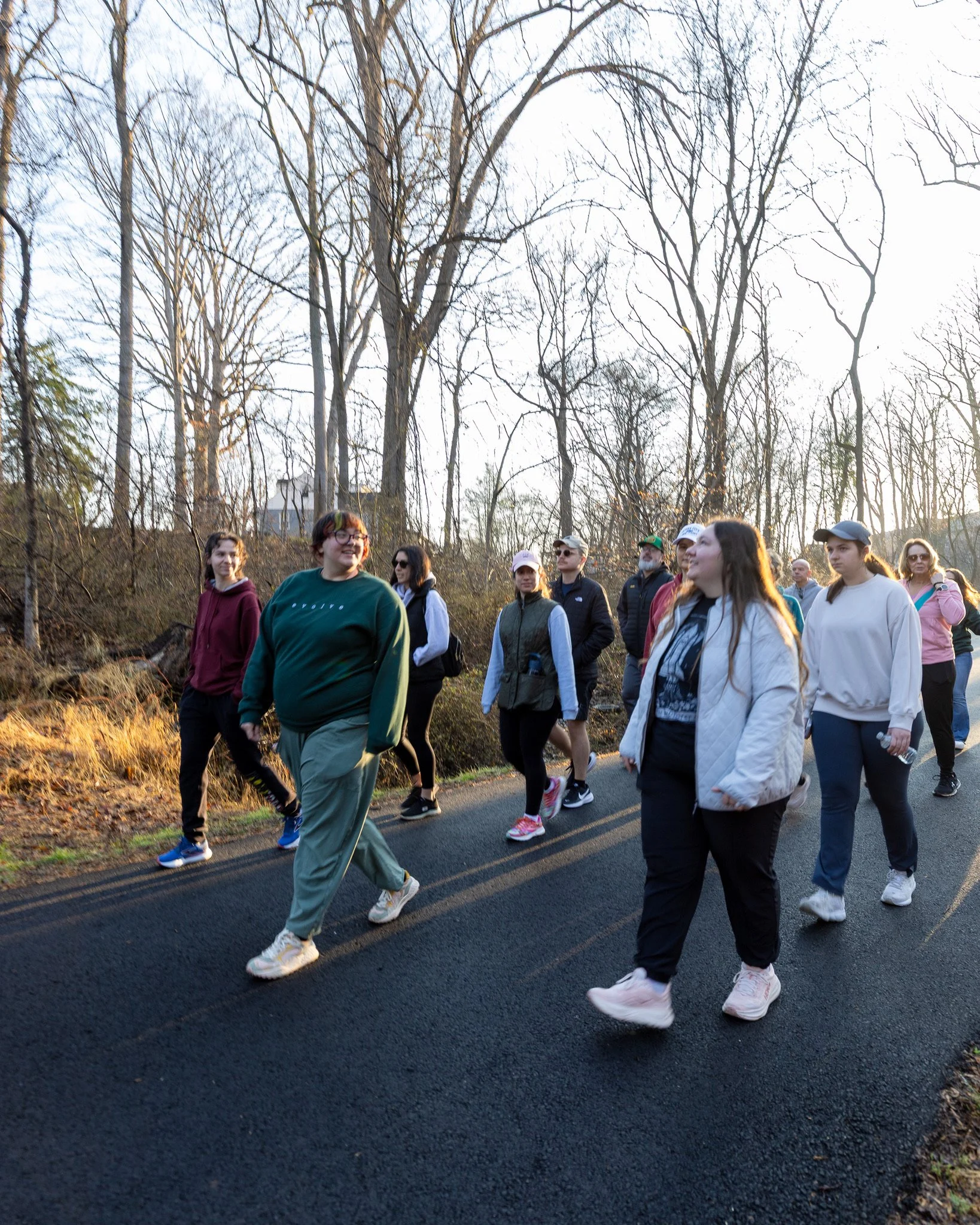
Start your day with a nervous-system-friendly routine.
How you spend the first part of your day can influence how you feel as you move through the rest of it. But that doesn’t mean your morning needs to be packed with meditation, exercise, journaling, meal prep, and a perfectly organized to-do list.
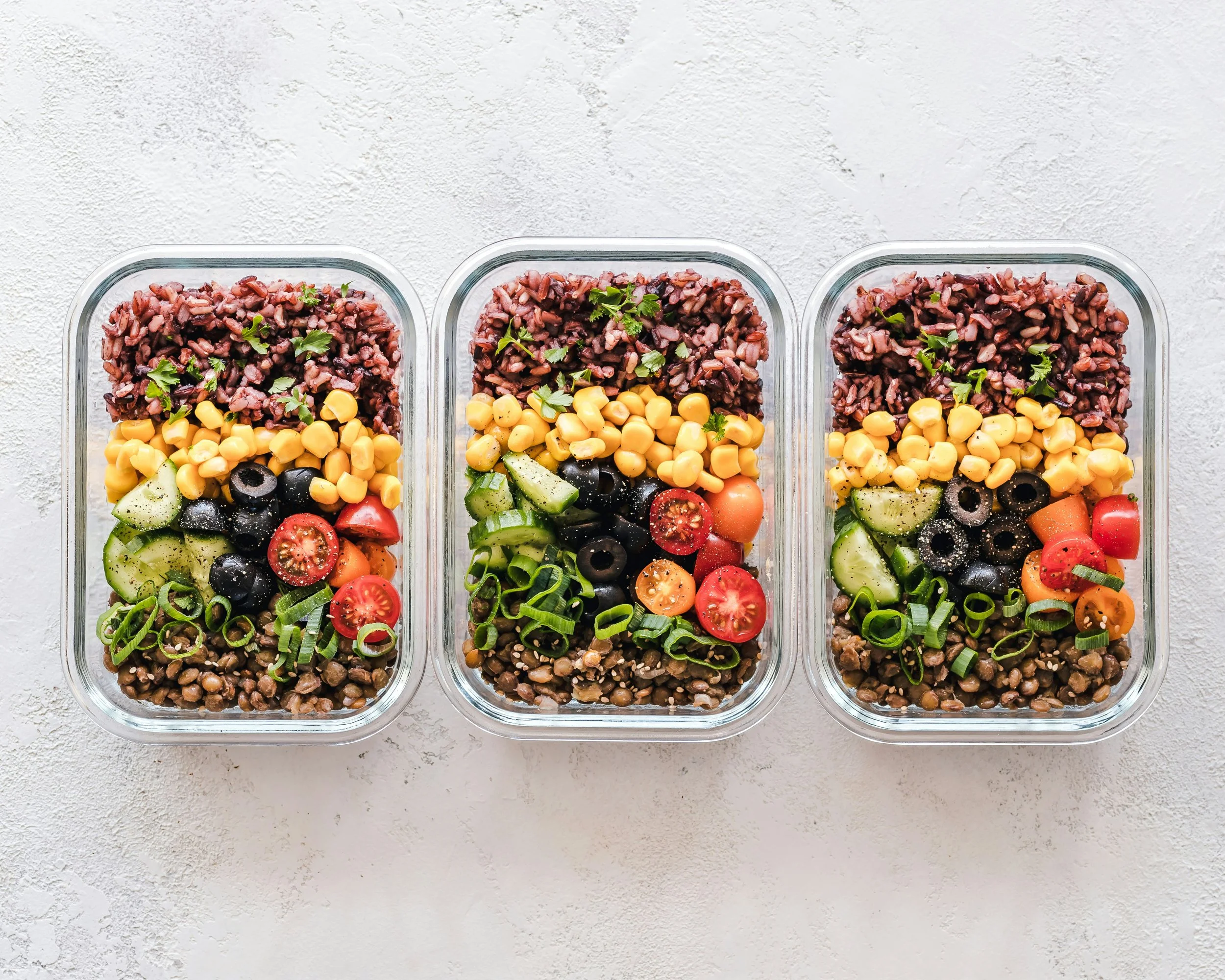
Wellness habits for your busiest days.
Healthy habits don’t have to be complicated to be meaningful. In fact, the best habits are often the ones that can adapt when life doesn’t go according to plan.

What happens when your care team works together?
At Evolve Wellness, we believe healing doesn’t happen in silos. That’s why we take an integrative approach, bringing together care for your mind, body, and spirit, so every part of your wellness supports the others.

Simple ways to feel calm before the fall rush.
Even if your life doesn’t revolve around the school year, this time of year often brings a collective sense that life is about to speed up. Rather than waiting until you are overwhelmed, consider this an invitation to pause.

The healing power of water.
There’s a reason why so many of us feel drawn to the water. Whether it’s swimming in a lake, listening to ocean waves, taking a warm bath, sitting by a stream, or simply enjoying a glass of cold water on a hot day, water has a way of helping us slow down.
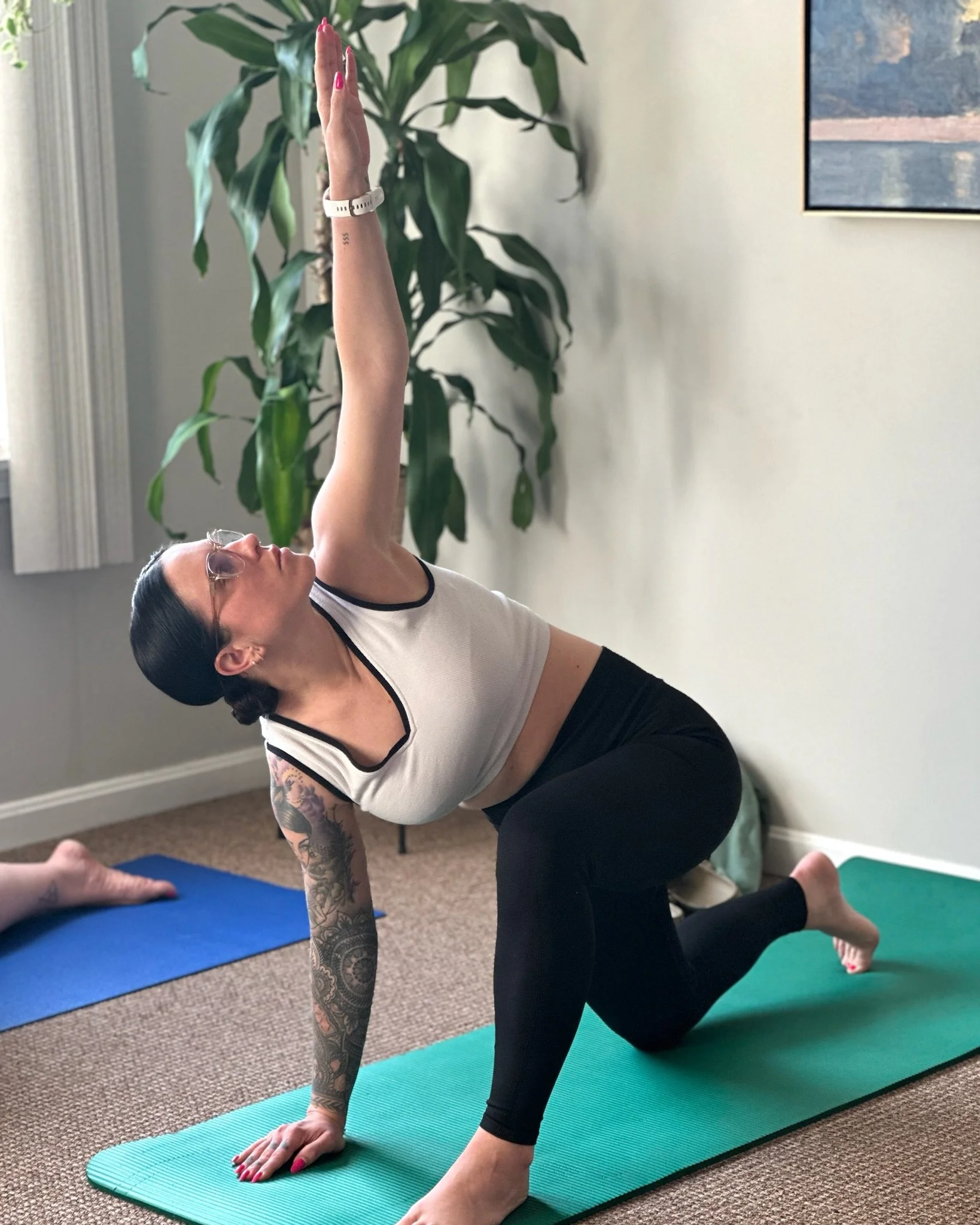
7 exercises to boost your morning energy.
How you start your morning can shape the rest of your day. Research consistently shows that even a short bout of exercise can increase circulation, improve focus, elevate mood, and boost energy by releasing feel-good chemicals like endorphins.
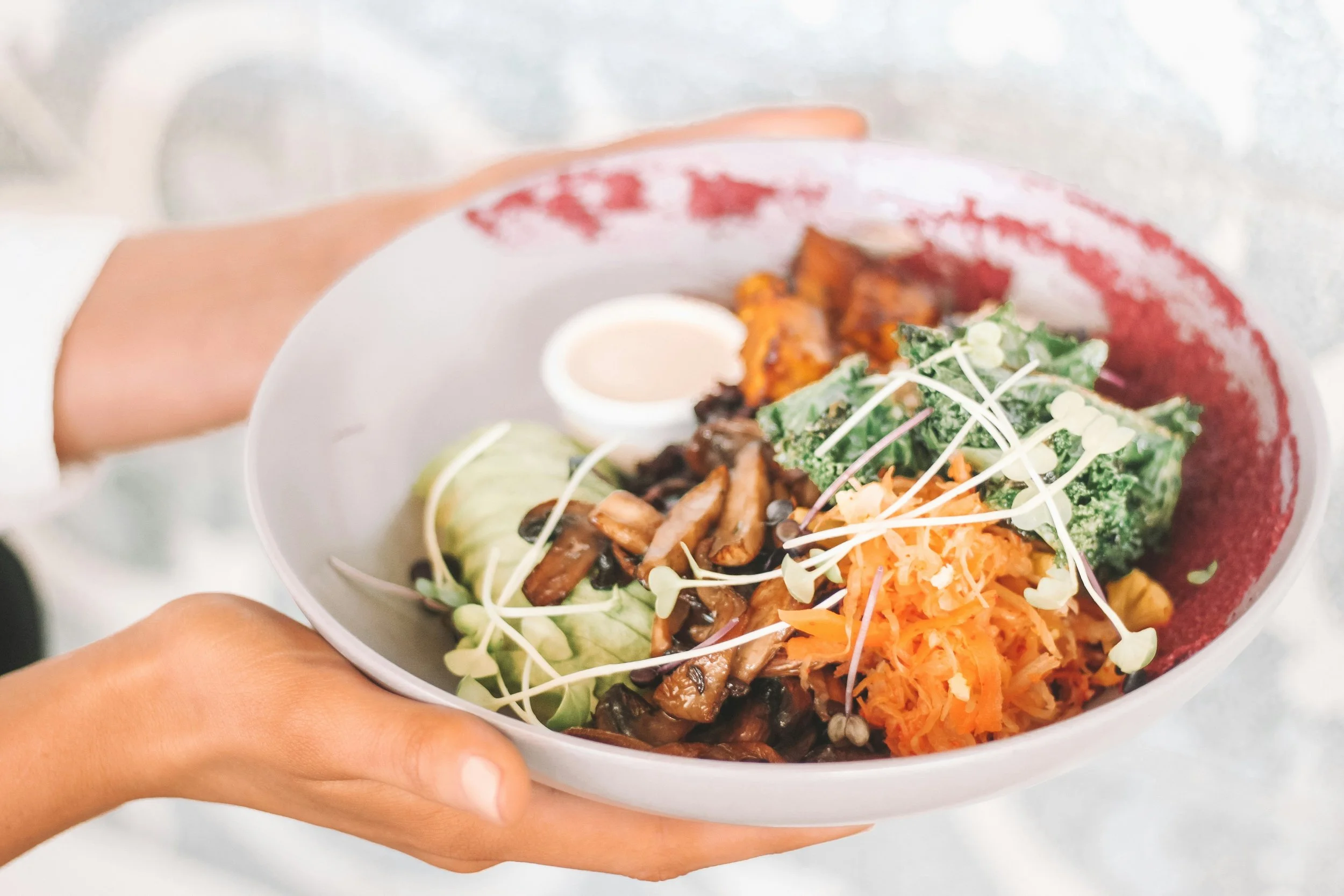
What does a holistic nutrition coach actually do?
Your health is influenced by your lifestyle, stress levels, daily routines, movement, sleep, and personal goals — not just the food on your plate. That’s why our coaching is personalized to support your whole well-being.
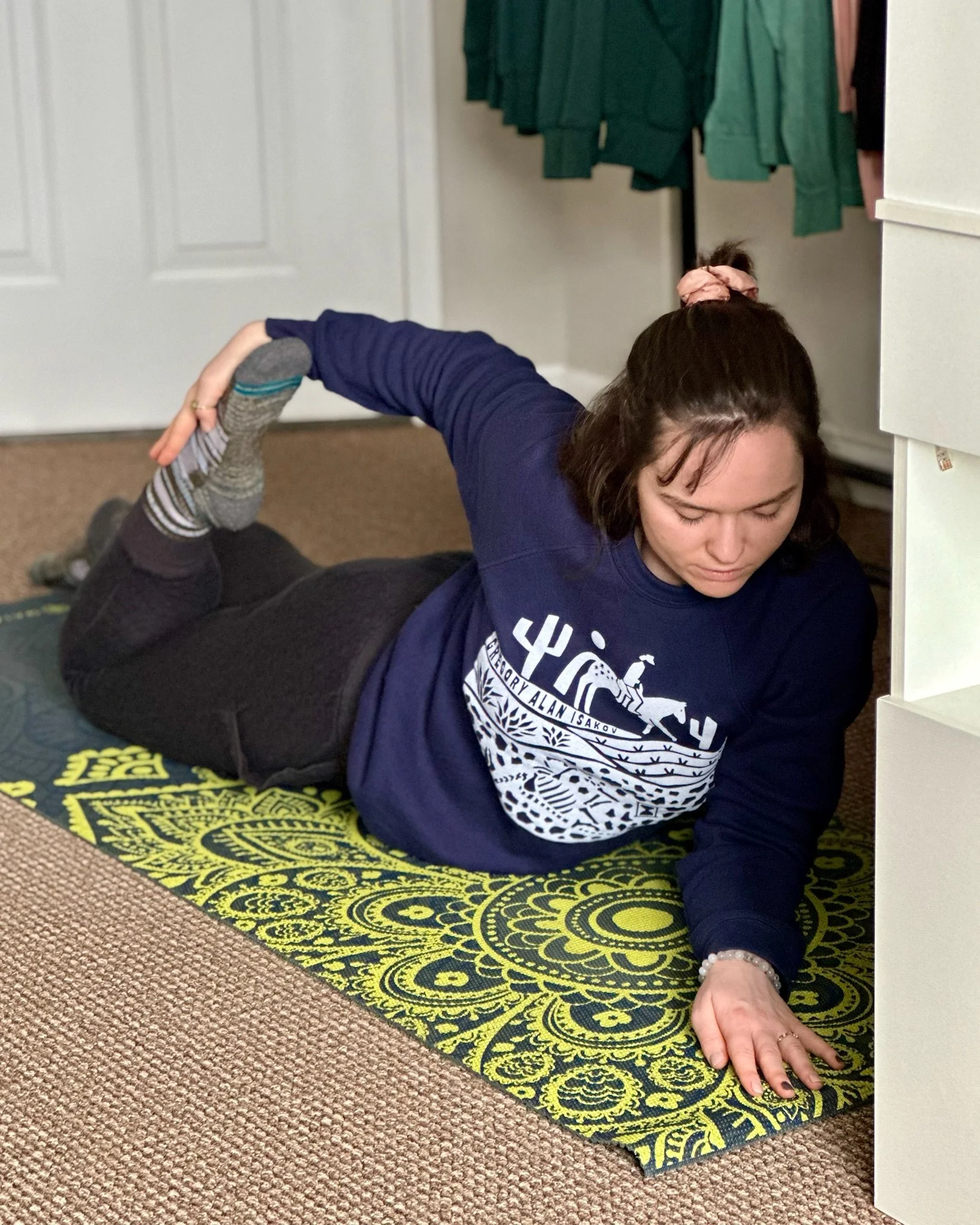
Think yoga isn’t for you? Think again.
At its heart, yoga is a practice of connecting with yourself through movement, breath, and mindfulness. It meets you where you are, not where you think you should be.
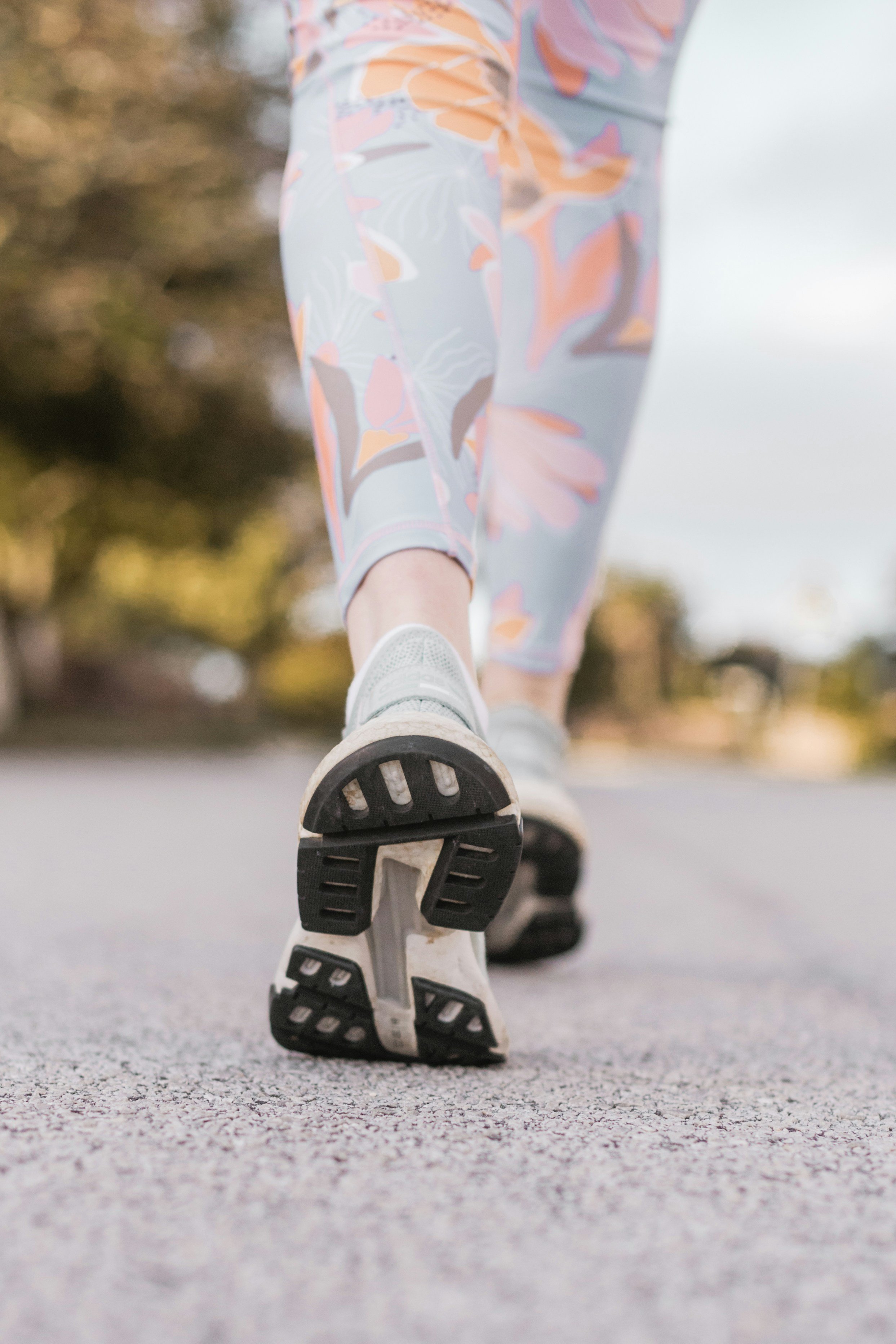
The healing power of walking.
When people think about improving their health, they often imagine intense workouts, complicated wellness routines, or expensive fitness programs. But one of the most effective, accessible, and well-researched forms of exercise is something many of us do every day: Walking.
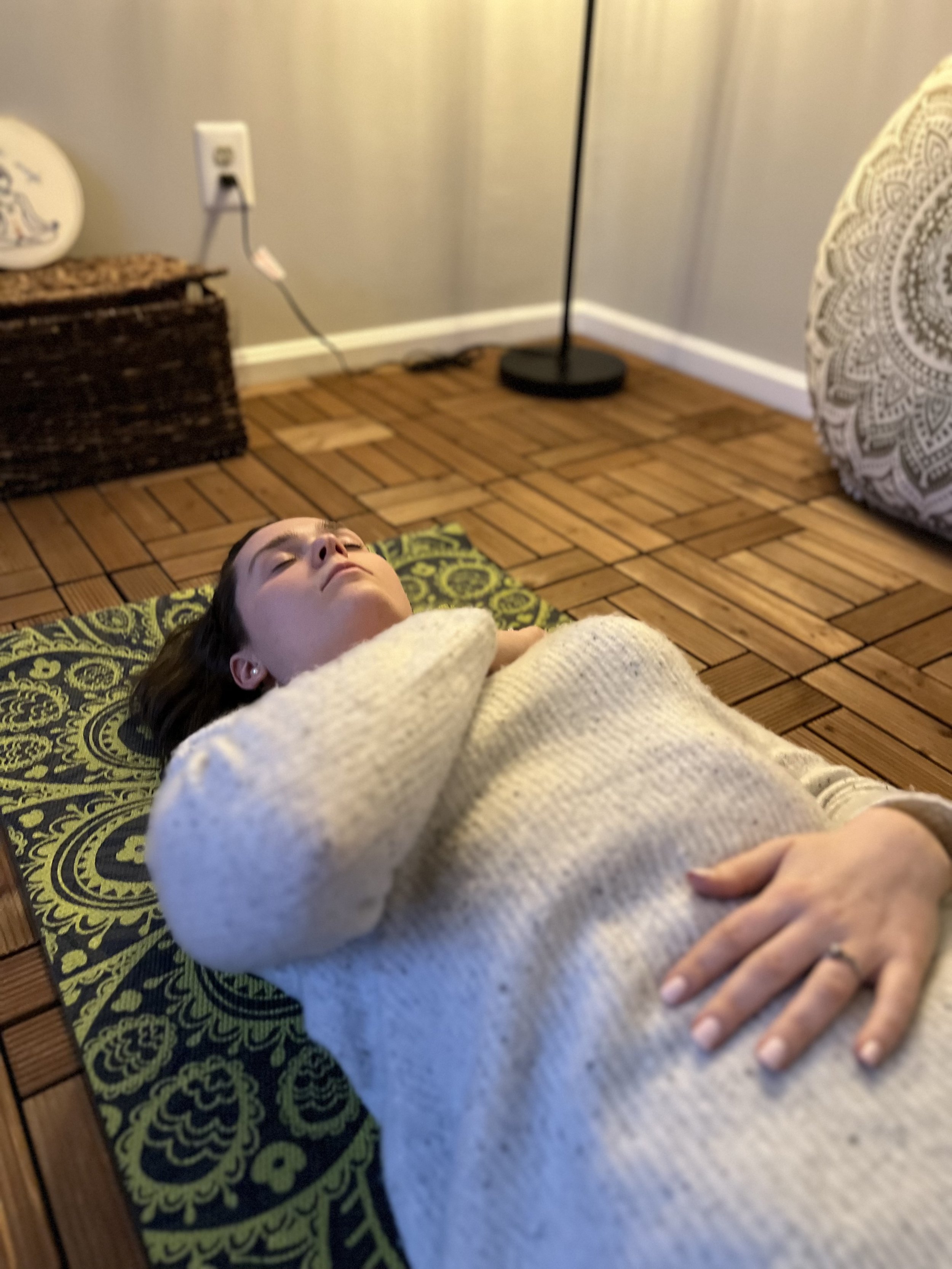
Yoga isn’t one-size-fits-all.
Private yoga sessions are designed around you — your goals, your body, your schedule, and your unique needs. Instead of trying to fit yourself into a class, the practice is built to fit you.
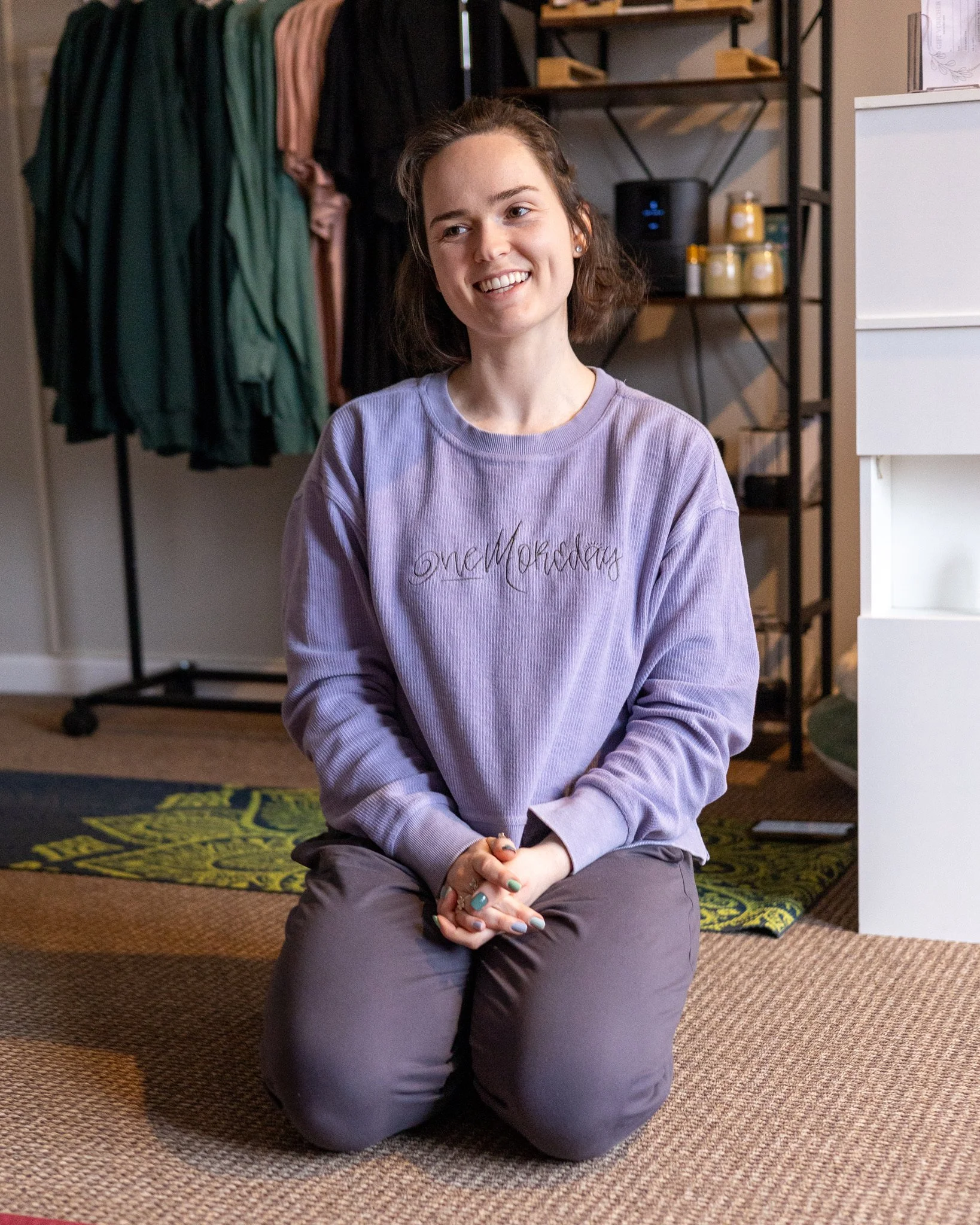
More than a workout: Meet the heart behind our yoga program at Evolve Wellness.
When many people think of yoga, they think of stretching, flexibility, or exercise. For Evolve Wellness founder and CEO Tyler Mauler, yoga became something much more: a pathway to healing.
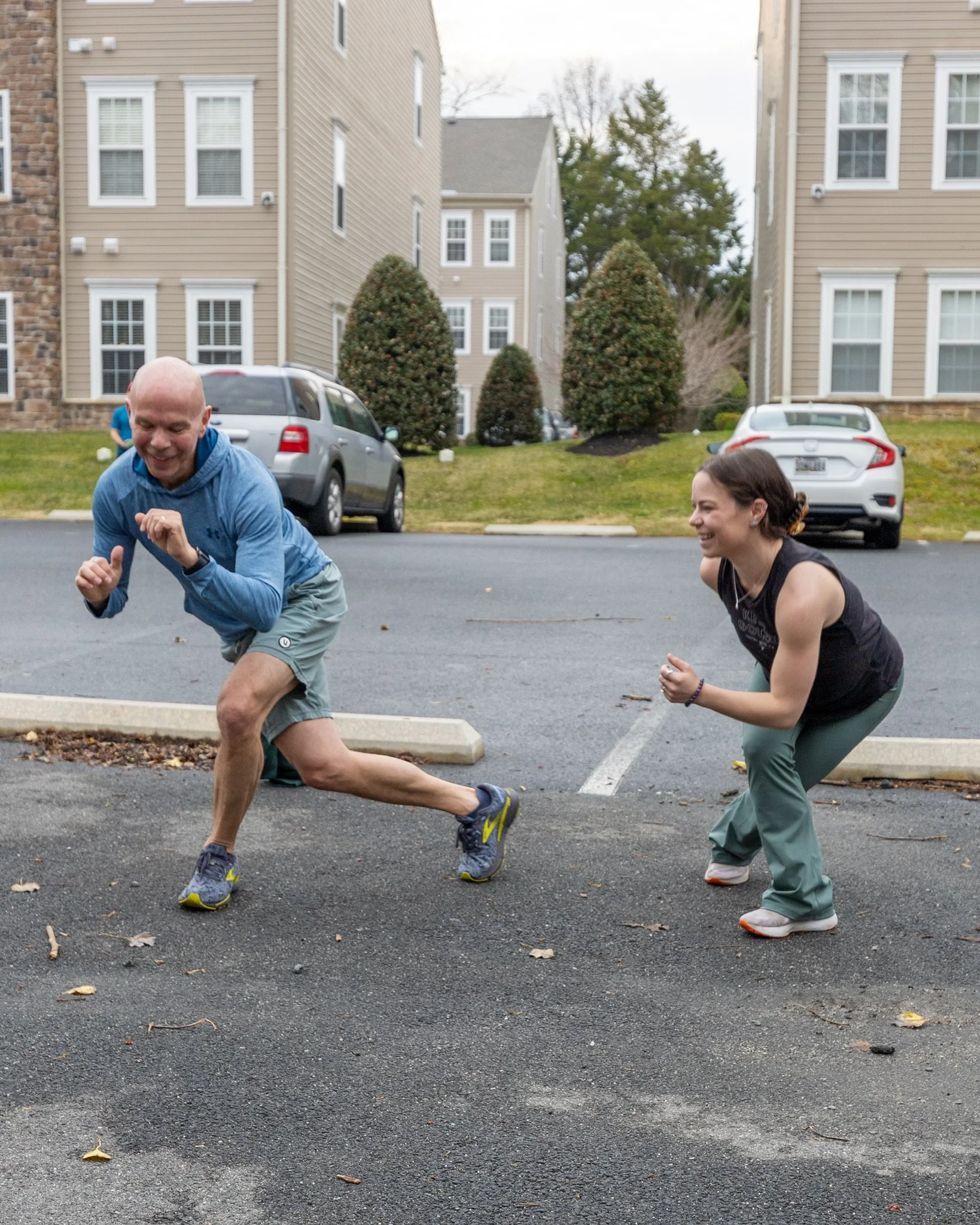
Joyful movement vs disciplined movement: What’s the difference?
Movement does not have to come from self-criticism to be effective. You can break a sweat and still love your body.

The body keeps the score, but it also holds the key to healing.
For a long time, mental and emotional health were viewed as experiences that existed primarily in the mind. But modern research in neuroscience, psychology, and trauma continues to reinforce that our bodies are deeply involved in how we experience stress, emotions, and healing.
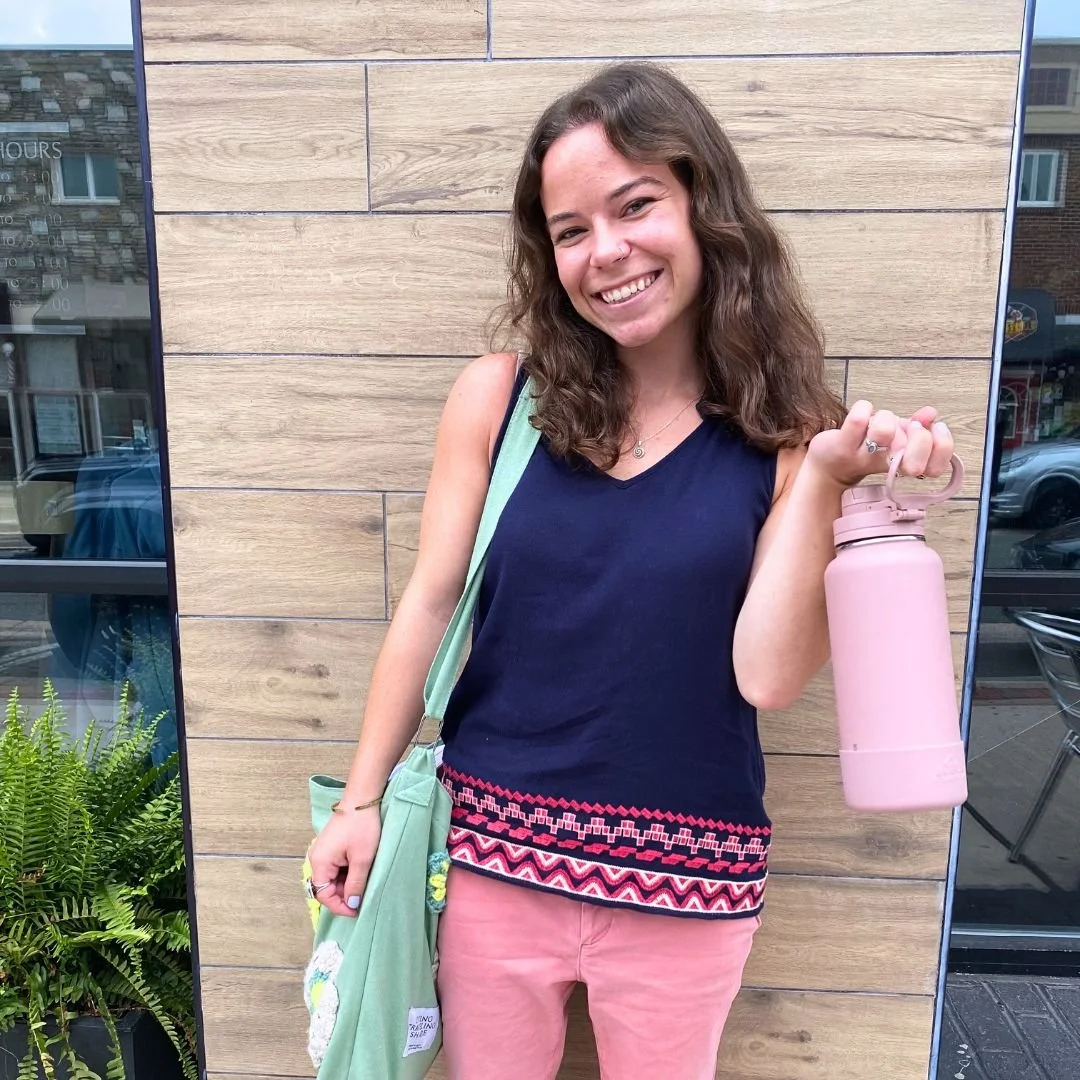
How to support your energy as activity increases this summer.
More movement, stimulation, heat, and activity can increase our need for hydration, nourishment, rest, and recovery. Without enough support, what starts as “spring and summer energy” can quickly turn into exhaustion, burnout, irritability, or feeling rundown.
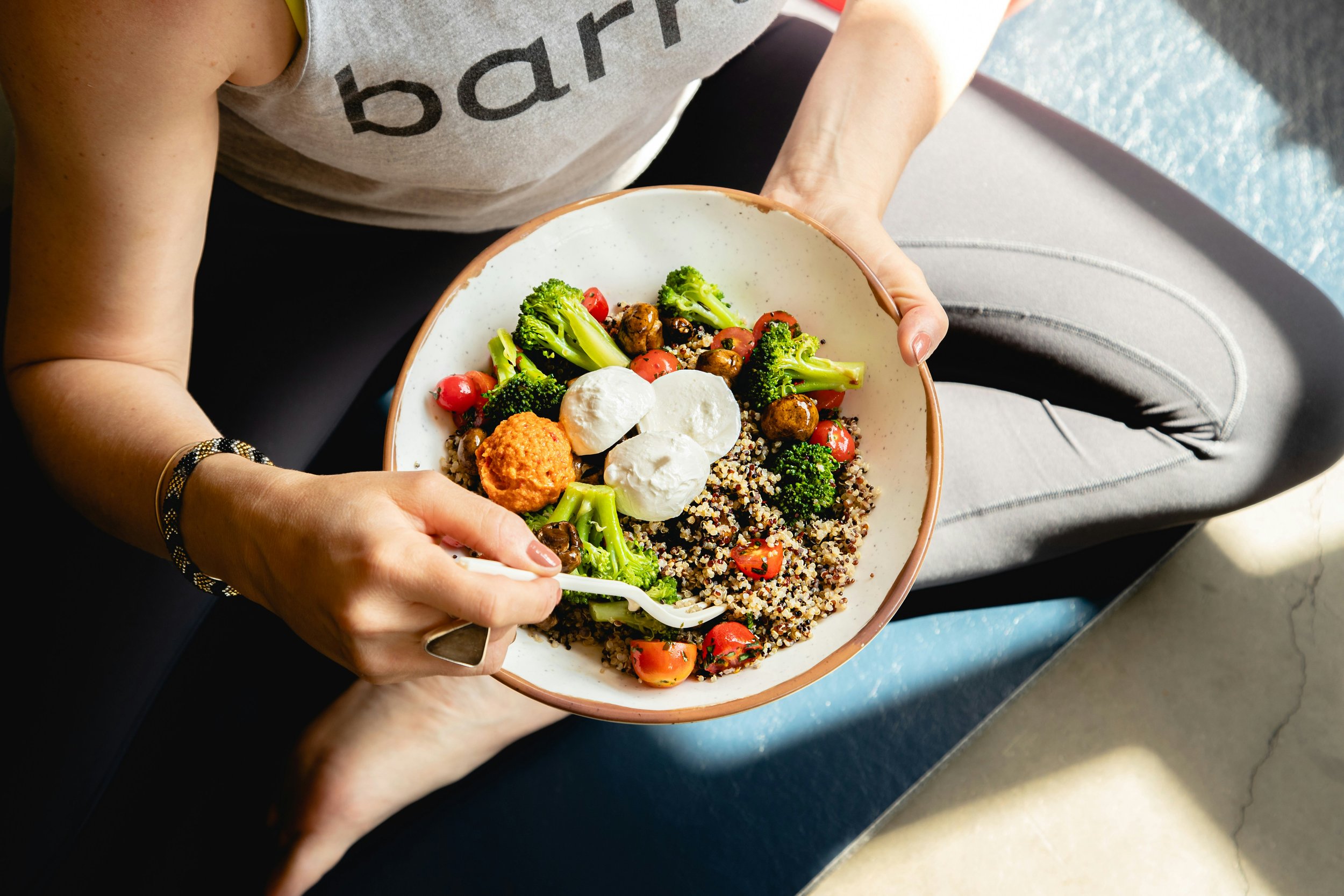
Nutrition is about more than just food.
When most people think about nutrition, they think about food choices — what to eat, what not to eat, meal plans, and healthy recipes. But true nourishment is much bigger than what’s on your plate.

Nervous system regulation 101: Tools you can use anywhere.
At its core, nervous system regulation is simply the practice of helping your body move back into a state of safety, balance, and connection after stress. It’s learning how to work with your body, rather than constantly pushing against it.
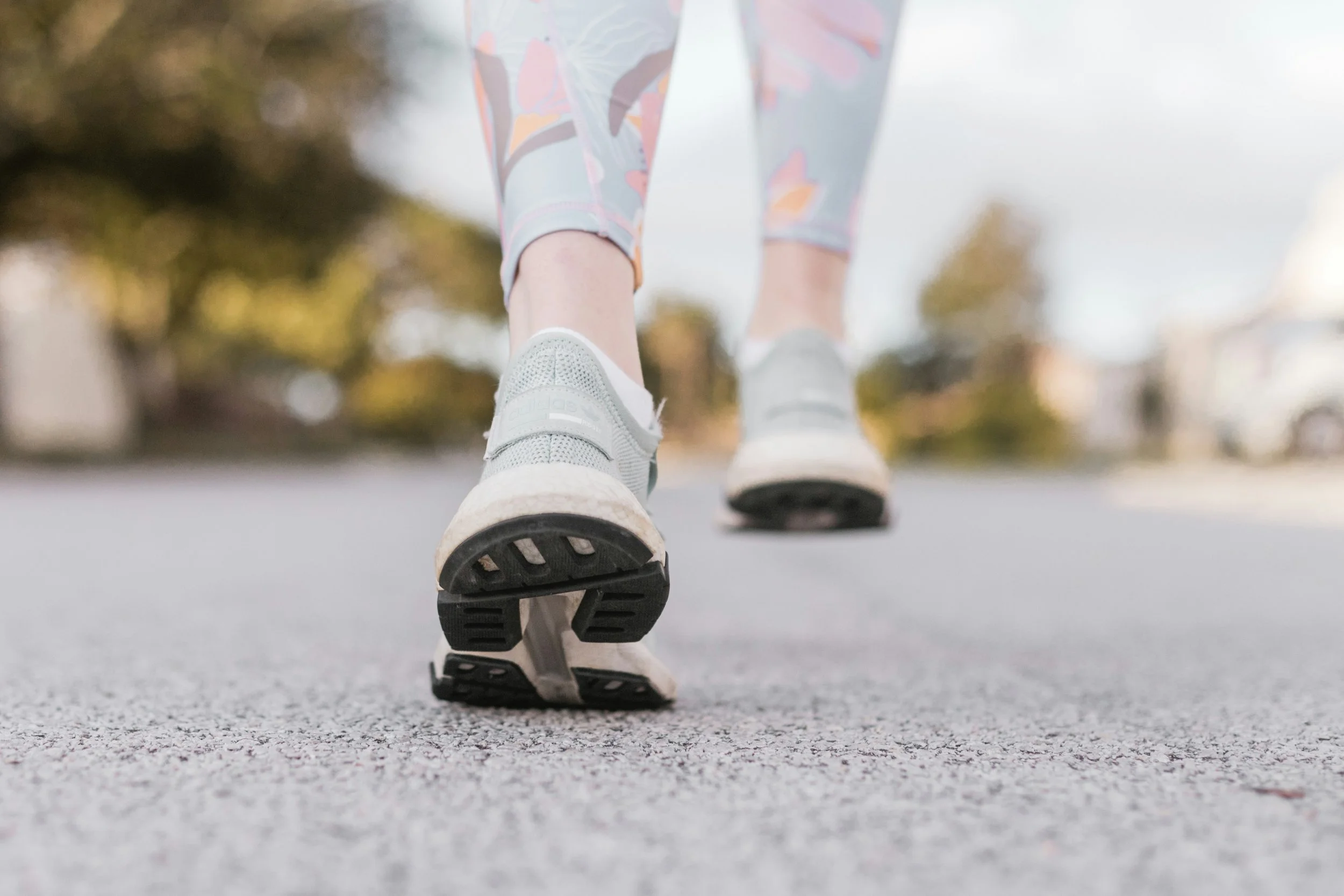
The power of 10 minutes: Small daily habits that support your wellness.
Wellness is often sold to us in extremes — hour-long workouts, perfect morning routines, strict schedules that promise transformation, if only we can stick to them. But real life doesn’t always allow for that.
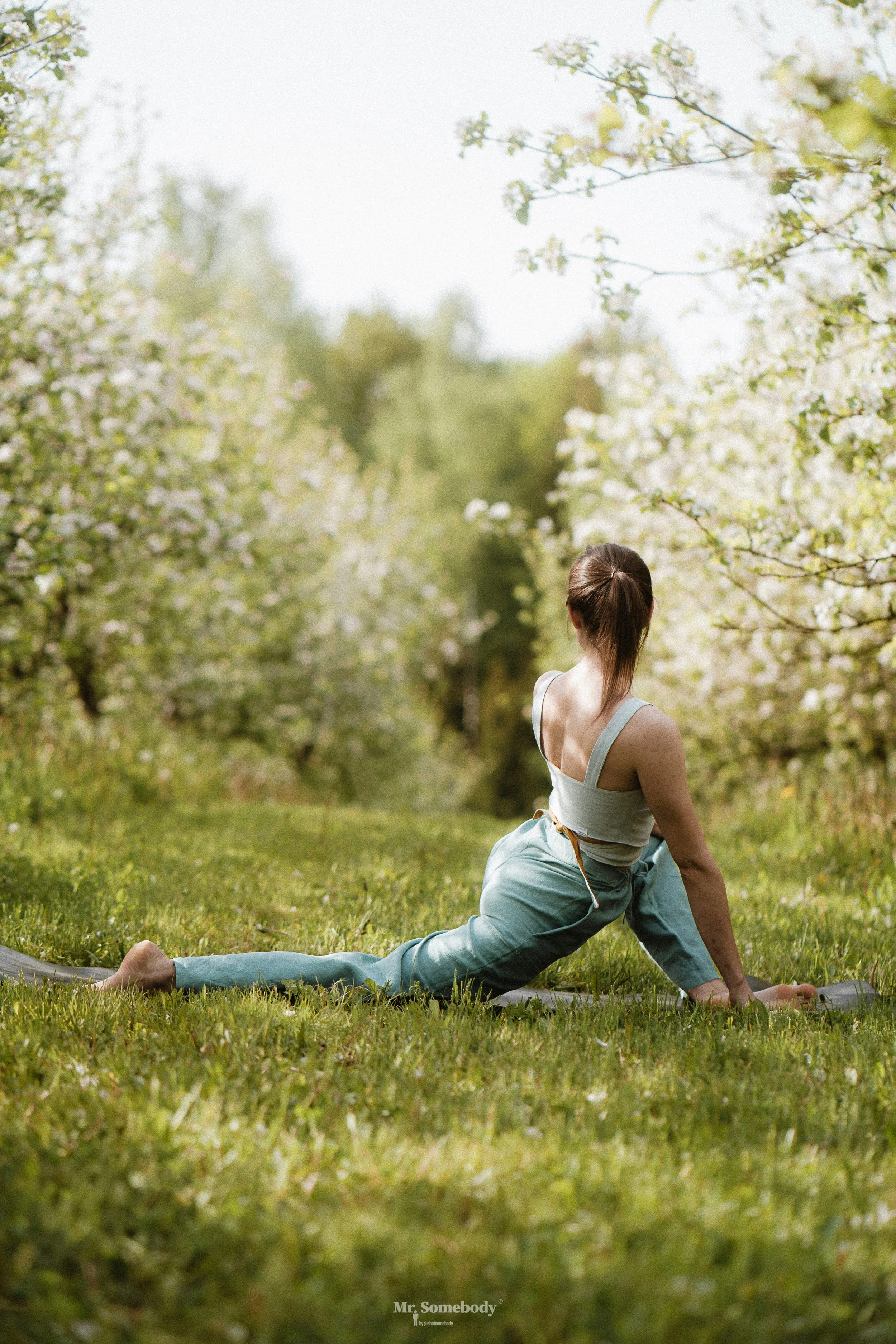
Your body in transition: How to support seasonal shifts into spring.
Just like the earth doesn’t bloom overnight, your body doesn’t shift from winter to spring in a single moment. There is a recalibration happening beneath the surface — physically, mentally, and emotionally.
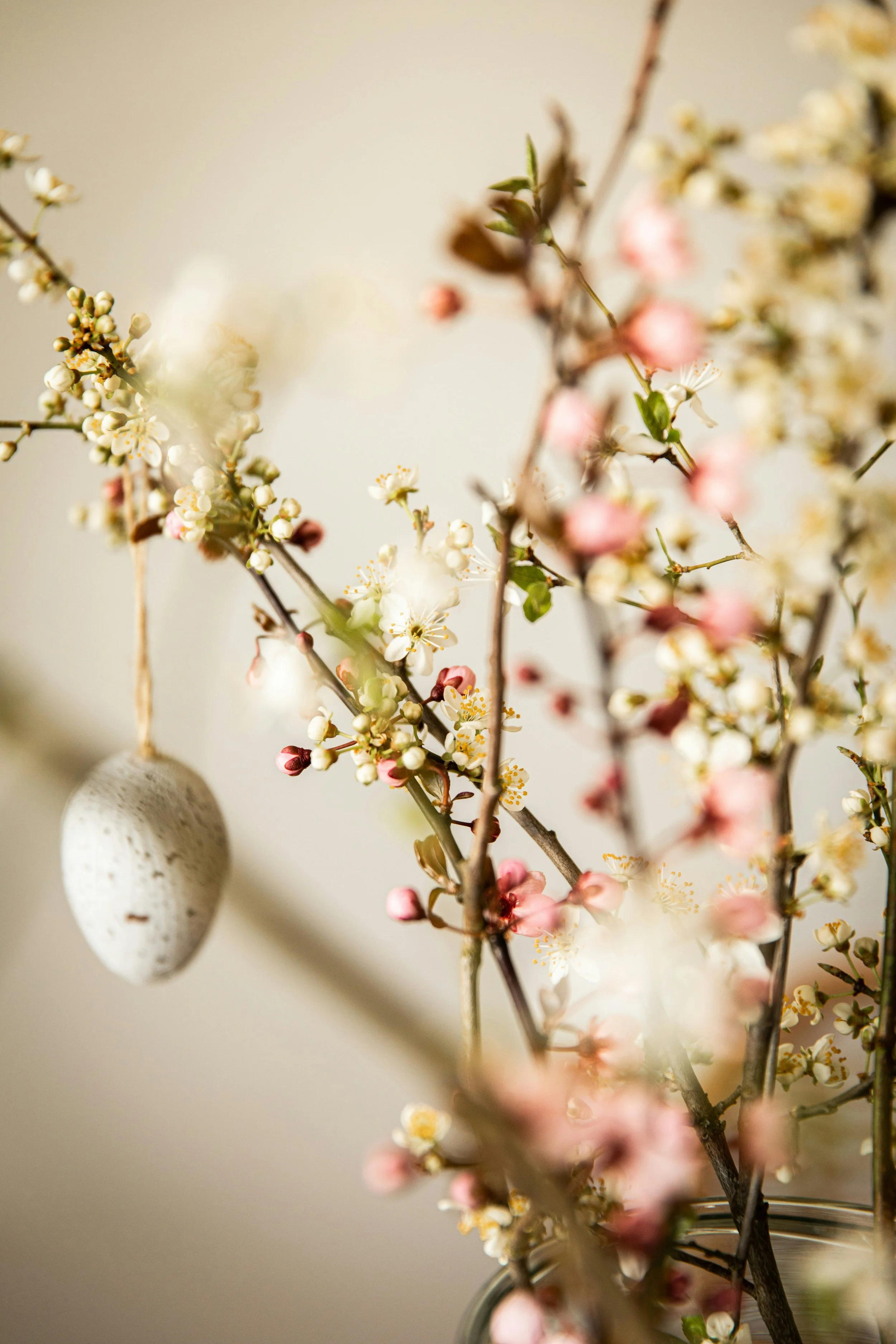
A gentle way to celebrate Easter.
Easter arrives as a quiet invitation — one of renewal, hope, and fresh beginnings. Rather than rushing through the day, this season offers an opportunity to slow down and celebrate in a way that feels meaningful, present, and nourishing.