

Sleep is more than rest: How sleep impacts your mental and physical health.
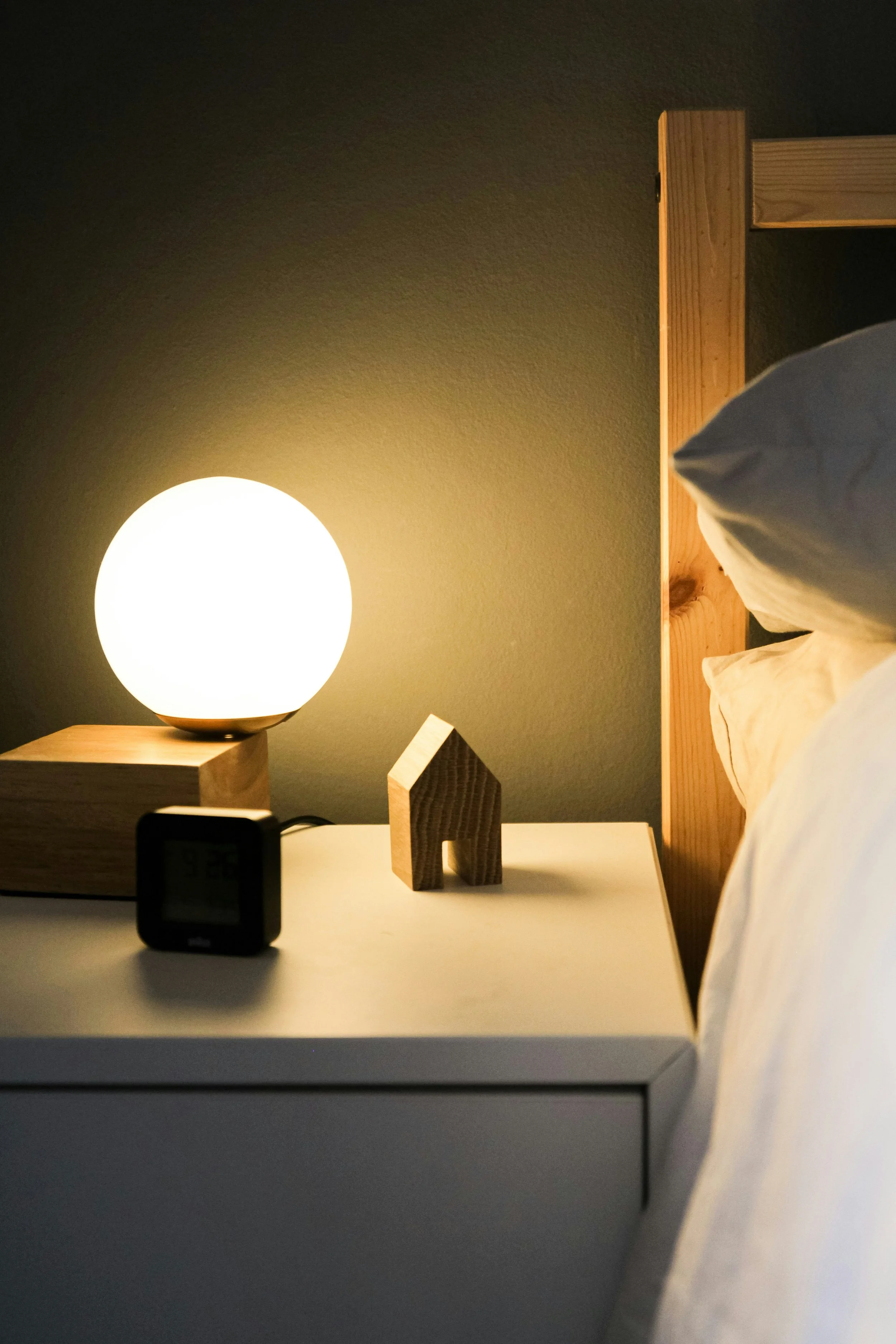
We often think of sleep as the time when our bodies simply “shut down” for the night. But while you are sleeping, your body and brain are doing some pretty important work.
Sleep supports memory, emotional regulation, immune function, metabolism, cardiovascular health, and cognitive performance. It also helps regulate the internal biological clock that influences when we feel awake, tired, hungry, and ready to rest.
Your Circadian Rhythm: Your Body’s Internal Clock
Your sleep isn’t controlled by tiredness alone. Your body follows a roughly 24-hour cycle called the circadian rhythm, which helps regulate sleep and wakefulness along with body temperature, hormone release, digestion, and metabolism.
Light is one of the strongest signals for this internal clock. Bright light, particularly in the morning, helps signal to your brain that it’s time to be awake. As evening approaches, darkness supports the release of melatonin, a hormone that helps prepare your body for sleep.
This is one reason consistent sleep and wake times — and getting natural light during the day — can be helpful for maintaining a healthy sleep rhythm.
Sleep and Your Brain
Sleep plays an important role in how we think, learn, remember, and regulate our emotions.
When we are sleep deprived, we may notice difficulty concentrating, slower reaction times, forgetfulness, or trouble making decisions. We may also find ourselves more emotionally reactive or less able to cope with everyday stress.
Getting enough sleep doesn’t mean you will never feel stressed or overwhelmed. But adequate sleep gives your brain a better foundation for managing whatever the day brings.
Sleep and Your Physical Health
Sleep affects much more than how you feel the next morning. During sleep, your body supports processes involved in immune function, tissue repair, hormone regulation, and energy balance. Ongoing insufficient or disrupted sleep is associated with increased risk for several chronic health conditions, including cardiovascular disease, type 2 diabetes, and obesity.
Sleep also interacts with metabolism and appetite-regulating hormones. When sleep is consistently inadequate, changes in hunger, appetite, and food preferences can occur.
This doesn’t mean one bad night’s sleep will harm your health. It’s the patterns over time that matter.
When Sleep Is Struggling
Sometimes difficulty sleeping is temporary. Stress, travel, illness, medications, life changes, or an unusual schedule can all affect sleep. But persistent sleep problems deserve attention.
If you are regularly having trouble falling asleep, staying asleep, waking too early, or feeling excessively tired during the day, consider talking with a healthcare professional. Sleep difficulties can sometimes be connected to an underlying medical condition, medication, mental health concern, or sleep disorder.
Practical Ways to Support Better Sleep
There isn’t one perfect nighttime routine, but a few consistent habits can help:
Get morning light. Spend some time outside early in the day when possible.
Keep a relatively consistent sleep and wake schedule. Your circadian rhythm responds well to regularity.
Create some distance from screens before bed. Consider dimming lights and putting your phone away as you wind down.
Be mindful of caffeine timing. Caffeine can remain in the body for hours and may interfere with sleep, particularly when consumed later in the day.
Move your body during the day. Regular physical activity is associated with better sleep, though vigorous exercise immediately before bed may not work well for everyone.
Create a transition into nighttime. Reading, gentle stretching, breathing exercises, a warm shower, or another calming activity can help signal that the day is winding down.
Make your sleep environment comfortable. A cool, dark, and quiet room can make it easier to sleep.
Rest Is Part of the Work
In a culture that often celebrates productivity, sleep can feel like something we are supposed to squeeze in after everything else is finished. But your body doesn’t see sleep as wasted time. It uses those hours to restore, regulate, process, and prepare you for another day.
As you are thinking about your wellness this season, don’t just ask yourself what you should do more of. Consider if you are giving your body enough time and space to rest.