

What does it actually mean to eat with the seasons?
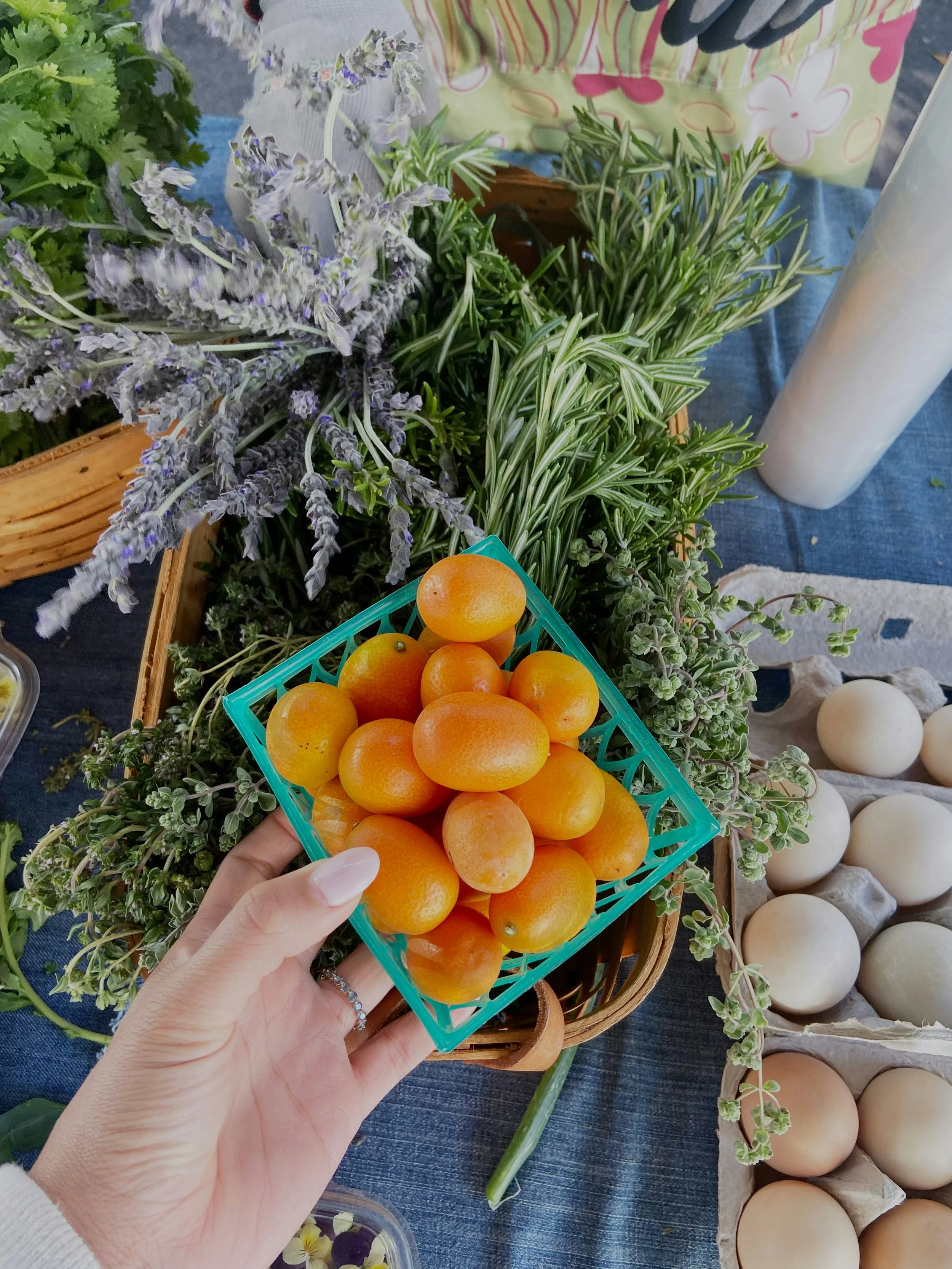
A crisp apple in the fall. Fresh berries in the summer. Root vegetables and hearty greens in the cooler months.
There’s something special about eating foods that are growing around you right now. But seasonal eating doesn’t mean you have to follow a strict list of foods or completely change your diet every few months.
At its simplest, seasonal eating means incorporating foods that are naturally available during different times of the year, while allowing plenty of flexibility.
Why Eat Seasonally?
Eating with the seasons can naturally encourage more variety in your diet. Different fruits and vegetables provide different combinations of vitamins, minerals, fiber, and plant compounds. Eating a wider variety of plant foods can hep you get a broader range of nutrients and support overall health.
Seasonal produce can also be especially enjoyable because it’s harvested when it’s naturally ready to grow and may spend less time in storage or transportation, particularly when purchased locally.
That doesn’t mean seasonal produce is automatically more nutritious than food grown elsewhere. Nutrient content can vary based on the crop, growing conditions, storage, transportation, and how the food is prepared.
Local Food and Seasonal Food Aren’t Exactly the Same
The terms “local” and “seasonal” are sometimes used interchangeably, but they are different.
A food can be locally grown and in season, or it can be local but grown in a greenhouse outside its typical growing season. Food can also be seasonal somewhere else in the world and available at your grocery store year-round.
Seasonal eating doesn’t require you to buy everything from a farmers market or grow your own food. Your local grocery store, frozen foods section, community-supported agriculture (CSA) program, farmers market, or even your own backyard can all be part of a seasonal approach.
Frozen, Canned, and Preserved Foods Count, Too
One of the biggest misconceptions about seasonal eating is that everything has to be fresh. Frozen and canned fruits and vegetables can still be nutritious choices. In some cases, produce is processed soon after harvesting, which can help preserve nutrients.
Freezing summer berries for winter smoothies or keeping canned tomatoes in your pantry can help make nutritional eating more convenient year-round.
Let the Seasons Add Variety, Not Restrictions
Seasonal eating can become another set of wellness rules if we aren’t careful.
You don’t need to stop eating bananas because they aren’t grown locally. You don’t need to avoid frozen blueberries in January. And you certainly don’t need to feel guilty about eating something simply because it isn’t currently in season.
Instead, think of seasonal eating as an opportunity to add something new. Try a seasonal fruit you’ve never purchased before. Pick up a vegetable from your local farmers market. Experiment with a new soup, salad, grain bowl, or roasted vegetable recipe. You might discover foods you genuinely enjoy.
A Simple Way to Start
As the seasons change, ask yourself: What’s growing right now? What produce looks appealing at the grocery store or farmers market? What seasonal foods can I add to meals I already enjoy? Can I try one new fruit, vegetable, herb, or recipe this month?
There’s no need to overhaul your entire diet. Healthy eating isn’t about following every rule perfectly. It’s about creating a pattern of eating that provides nourishment, variety, enjoyment, and enough flexibility to work in real life.
Let the seasons inspire your meals, not dictate them.