

When you’ve been strong for too long…
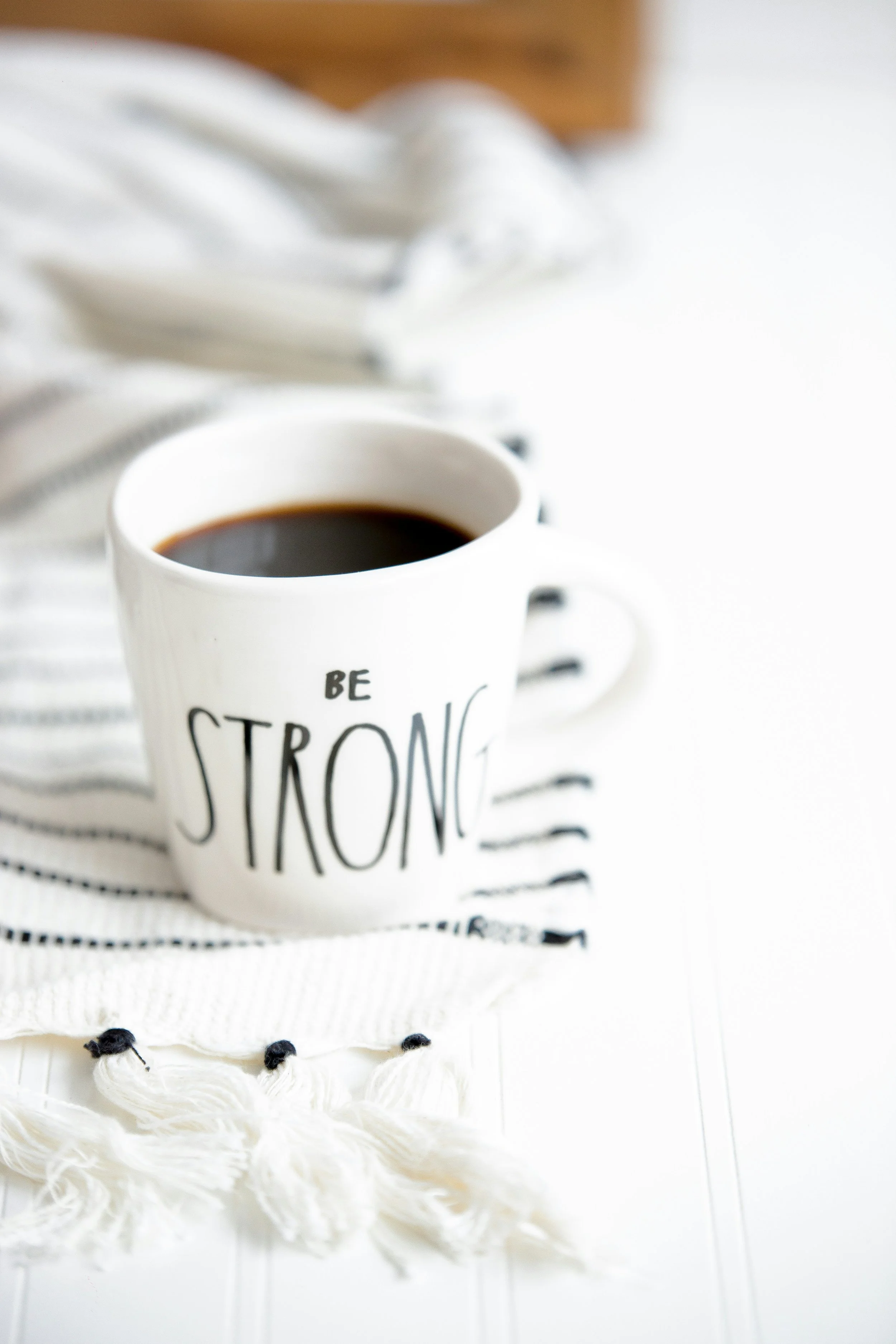
There comes a point when being “the strong one” stops feeling like a compliment.
You are the person everyone calls when they need help. You keep the family organized, meet deadlines, solve problems, care for others, and somehow keep everything moving forward.
From the outside, you seem capable, dependable, and resilient. But on the inside? You’re exhausted. Not because you are weak, but because you have been carrying more than anyone was meant to carry alone.
For many people, strength becomes less of a choice and more of a survival strategy. Over time, that strategy can lead to emotional burnout, chronic stress, and a deep sense of disconnection from your own needs.
The good news is that true strength isn’t about carrying everything by yourself. It’s about knowing when it’s time to let someone help carry the load.
What Does It Mean to Be “The Strong One?”
Being resilient is a valuable quality. Resilience helps us adapt to challenges, recover from setbacks, and continue moving forward through difficult seasons.
But resilience is not the same as self-sacrifice. Sometimes, being “strong” begins to look like:
always being the caregiver
feeling responsible for everyone else’s emotions
struggling to ask for help
believing you should be able to handle everything yourself
putting your own needs at the bottom of the list
feeling guilty when you rest or receive support
Over time, these patterns can become so familiar that they feel like part of your identity.
Emotional Burnout Isn’t Just Physical Exhaustion
Burnout is often associated with work, but emotional burnout can happen anywhere. It develops when the emotional demands placed on us consistently exceed our ability to recover.
You might notice:
feeling emotionally numb
irritability or impatience
compassion fatigue
difficulty experiencing joy
constant exhaustion
trouble concentrating
withdrawing from relationships
feeling like you are “running on empty”
Research has shown that chronic stress and emotional overload can affect mood, sleep, immune function, decision making, and overall well-being.
Burnout isn’t simply about doing too much. It’s also about carrying too much for too long without adequate support.
Understanding Hyper-Independence
Hyper-independence is a pattern of relying almost exclusively on yourself, even when support is available. It is not a formal mental health diagnosis. Rather, it’s a coping strategy that some people develop after experiences where relying on others felt unsafe, unreliable, or disappointing. For others, it develops gradually through years of caregiving, high expectations, perfectionism, or feeling responsible for everyone around them.
While independence is healthy, hyper-independence can become isolating. It may prevent us from receiving the very support that helps us stay well.
Why Receiving Support Can Feel So Uncomfortable
Humans are wired for connection. Research consistently shows that strong social support is associated with better mental health, lower stress levels, improved cardiovascular health, and greater resilience.
So why is accepting help so difficult? Sometimes it’s because we have learned that our worth comes from what we give rather than what we receive. Sometimes we have been praised for always being capable. Sometimes we have experienced relationships where asking for help felt unsafe or led to disappointment. And sometimes we have simply been practicing self-reliance for so long that vulnerability feels unfamiliar.
Strength Includes Knowing Your Limits
One of the biggest misconceptions about strength is that it means never needing anyone. In reality, healthy strength includes recognizing your limits.
Your nervous system was never designed to operate under constant pressure. Rest is not a reward for finishing everything. Connection is not a luxury. Support is not a sign of failure. These are all part of what allows us to remain resilient over time.
First Steps Toward Receiving Support
Learning to receive support doesn’t have to happen overnight. Like any new skill, it can begin with small, intentional steps.
1) Notice the stories you tell yourself.
Pay attention to your automatic thoughts when someone offers help. Do you think:
“I’ll inconvenience them.”
“I should do this myself.”
“They probably don’t really want to help.”
Simply noticing these beliefs is the first step toward challenging them.
2) Start small.
You don’t have to hand over your biggest responsibility tomorrow. Practice accepting help in low-stakes ways. Let someone carry the groceries. Accept a meal from a friend. Ask a coworker to share a task. Say “yes” when someone offers assistance.
Receiving support becomes easier with practice.
3) Identify your safe people.
Not everyone earns access to your vulnerability. Think about the people who consistently make you feel respected, supported, heard, and emotionally safe. Start there. Healthy support begins with healthy relationships.
4) Build rest into your routine.
If you only rest when you are completely depleted, your body never has the opportunity to fully recover. Small moments of recovery matter. Take breaks, protect your sleep, spend time in nature, and move your body in ways that feel nourishing rather than punishing. Recovery is part of resilience.
5) Consider professional support.
Sometimes the strongest thing we can do is recognize that we don’t have to navigate life’s challenges alone. Therapy, emotion coaching, support groups, and other holistic services can provide tools, perspective, and compassionate guidance during difficult seasons.
You Don’t Have to Carry Everything Alone
If you have been strong for everyone else, you may have forgotten what it feels like to let someone be strong for you. But healing doesn’t happen through endless self-reliance. It happens through balance, connection, and learning that your value isn’t determined by how much you carry.
At Evolve Wellness, we believe that wellness isn’t about becoming invincible. It’s about creating a life where you have the support, tools, and relationships you need to navigate challenges without losing yourself in the process.
Remember, you don’t have to earn support by reaching a breaking point. You don’t have to prove your strength by suffering in silence. And you don’t have to carry the weight of the world by yourself. Sometimes the strongest thing you can do is simply let someone walk beside you.