

Why do we crave cozy foods in the fall?
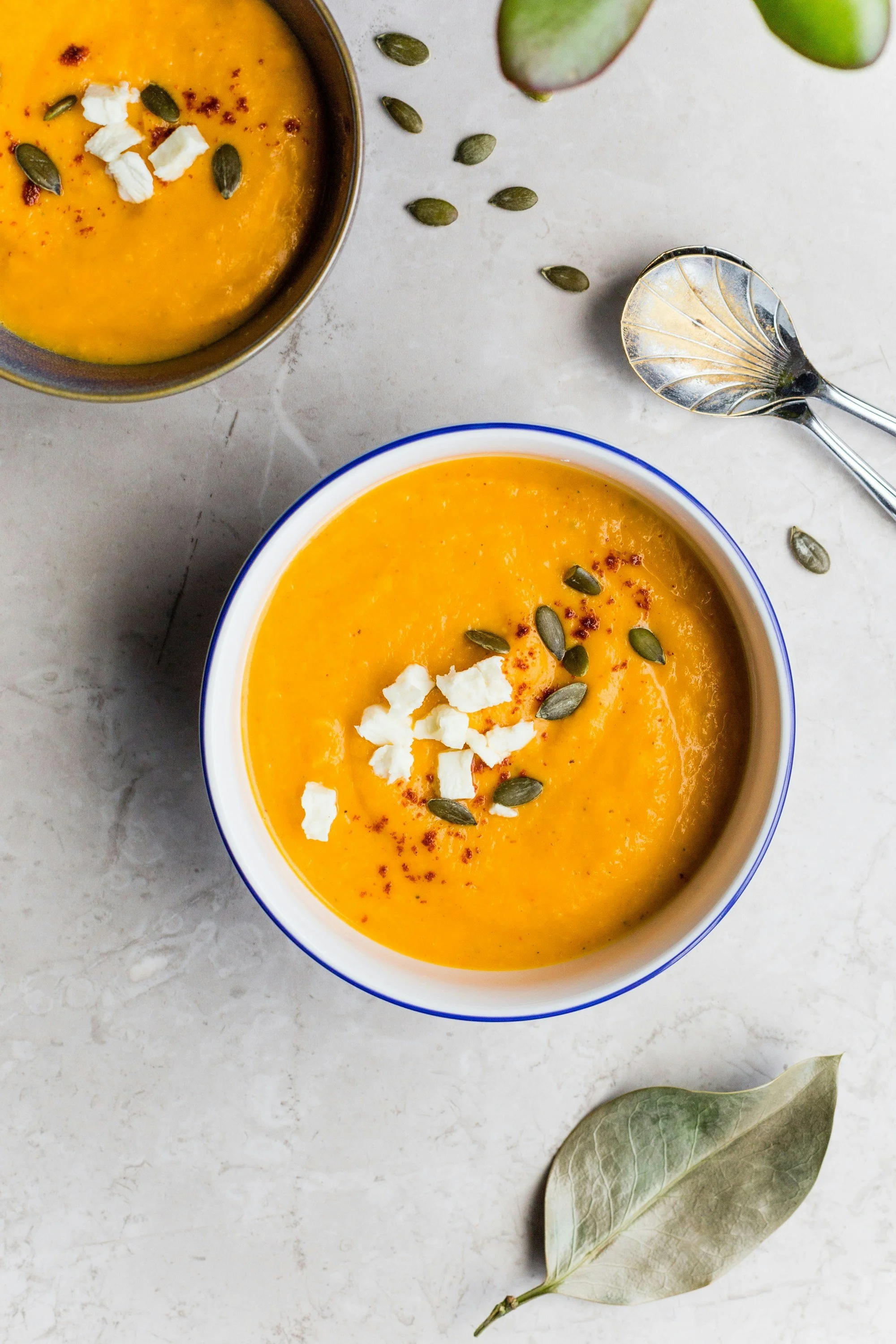
There's something about a chilly October evening that makes a warm bowl of soup, a hearty stew, or a plate of roasted vegetables sound especially appealing. And there's nothing wrong with that.
Our appetite and food preferences can shift with changes in temperature, routines, activity levels, and our environment. Colder weather may make warm, energy-dense foods feel particularly satisfying, while seasonal traditions and memories can also influence what we crave.
Your fall cravings aren't something you need to fight. They are an opportunity to think about how to nourish yourself in a way that feels satisfying, comforting, and balanced.
When the weather cools down, cold salads and smoothies may not sound as appealing as they did in July, and that's okay. Warm foods like soups, stews, oatmeal, roasted vegetables, whole grains, and cooked greens can provide plenty of nutrition while also being comforting and satisfying.
"Comfort food" doesn't have to mean choosing between something delicious and something nutritious. Try building meals around a few simple components:
Protein: beans, lentils, eggs, fish, poultry, or tofu
Fiber-rich carbohydrates: potatoes, sweet potatoes, squash, oats, brown rice, quinoa, or whole grains
Color: seasonal vegetables and fruits
Healthy fats: nuts, seeds, avocado, olive oil, or other sources of unsaturated fats
Flavor: herbs, spices, garlic, ginger, and other ingredients that make food genuinely enjoyable
A hearty chili with beans and vegetables, roasted chicken with sweet potatoes and Brussels sprouts, or a warm grain bowl with roasted vegetables can all be both comforting and nourishing.
Fall gives us plenty of nutritious ingredients to work with: apples, pears, pumpkins, winter squash, sweet potatoes, carrots, beets, Brussels sprouts, cabbage, mushrooms, and leafy greens. Notice what's available at your local farmer's market and enjoy the foods that sound good right now.
Food provides more than calories and nutrients. It can be connected to culture, memories, relationships, celebration, and comfort. There's no need to turn those experiences into something we have to earn or compensate for later.
You can enjoy your grandmother's recipe. You can make the mac and cheese. You can eat the soup because you're cold. You can have dessert simply because you want dessert.
Nourishment doesn't require perfection, and comfort doesn't cancel out nutrition. Instead, think about how you can make the foods you love work as part of a nourishing, satisfying way of eating. That is a much more sustainable approach to wellness, and a lot more enjoyable, too.