

Your body in transition: How to support seasonal shifts into spring.
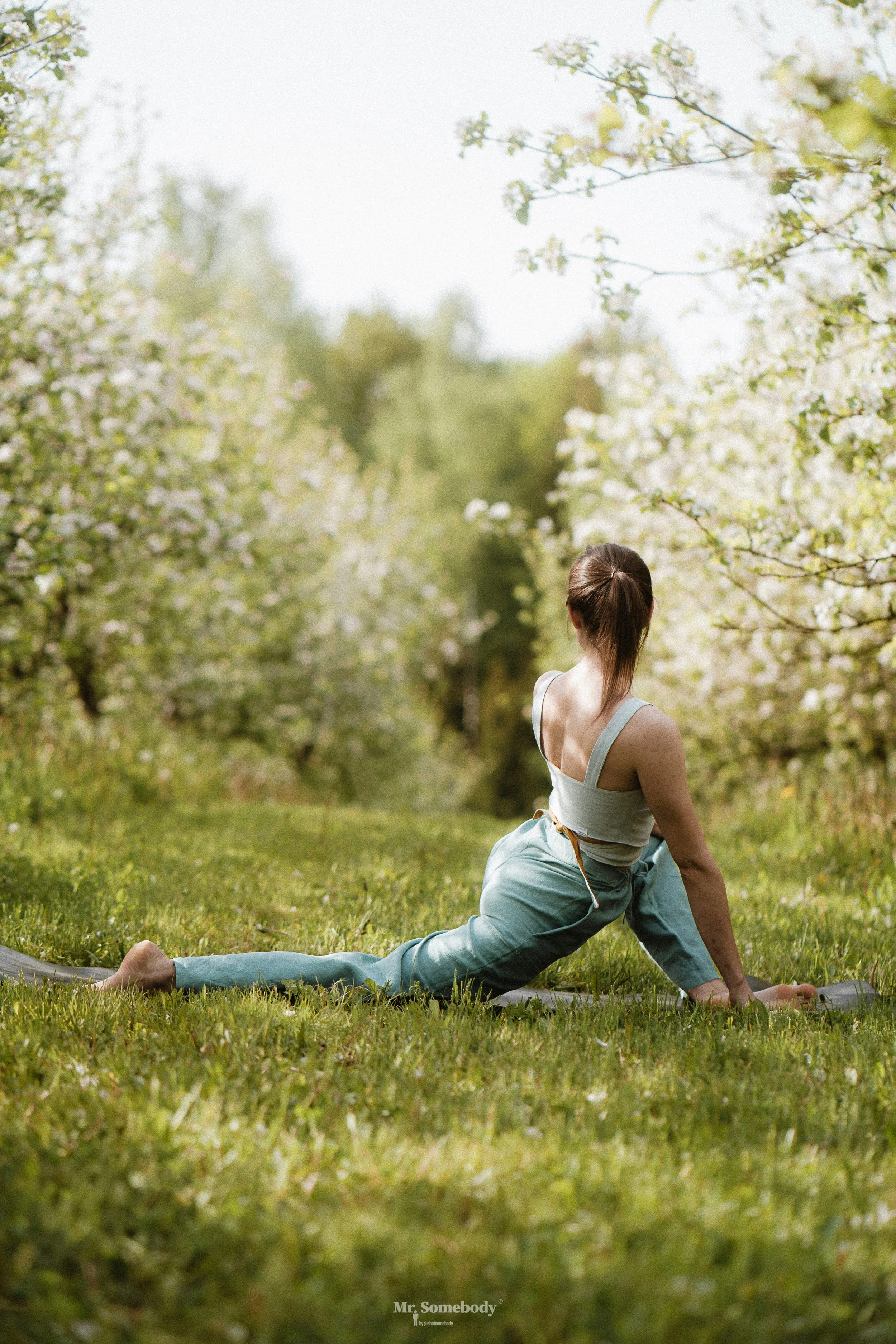
Spring has a way of asking more of us. The light lingers longer. The air softens. There’s an unspoken expectation to feel energized, motivated, and ready to begin again. But if your body hasn’t quite caught up to the season yet, you’re not behind. You are in transition.
Just like the earth doesn’t bloom overnight, your body doesn’t shift from winter to spring in a single moment. There is a recalibration happening beneath the surface — physically, mentally, and emotionally. And when we learn to support that transition instead of rushing it, we create a more sustainable kind of energy.
Let’s talk about what’s actually happening in your body this time of year, and how to work with it.
The Quiet Reset: Your Circadian Rhythm Is Adjusting
As daylight increases, your internal clock (your circadian rhythm) begins to shift. This rhythm regulates your sleep, hormones, digestion, and energy levels. During winter, shorter days often mean more melatonin (the hormone that supports sleep) and slower, more inward-focused energy. As spring arrives and light exposure increases, your body gradually reduces melatonin and adjusts cortisol (your wakefulness hormone) to align with earlier sunrises and longer days.
But this doesn’t happen instantly. You might notice:
Feeling tired earlier in the evening but waking inconsistently
Energy dips during the day
Changes in sleep quality
A general sense of “off” without a clear reason
This isn’t dysfunction. It’s adaptation.
How to Support Your Circadian Rhythm:
Get natural light within 30-60 minutes of waking (even on cloudy days)
Keep a consistent sleep and wake time (within a 30-60 minute window)
Dim lights and reduce screen exposure in the evening
Step outside throughout the day to reinforce your body’s sense of time
Think of light as information for your body. The more consistent the signals, the smoother the transition.
Energy Isn’t Linear (Especially Right Now)
Spring often brings an expectation of renewed energy, but many people actually feel more fatigued this time of year. Your body is reallocating resources. It’s adjusting hormones, responding to environmental changes, and often managing added stressors like seasonal allergies, schedule shifts, and increased social activity. This might mean that your motivation comes in waves. You may want to do more, but not have the energy to sustain it. Perhaps you are feeling more physically sluggish, but mentally restless.
Instead of pushing through, this is a time to practice responsive energy use — meeting your body where it is, rather than where you think it should be.
Try this:
Break tasks into smaller, approachable steps
Alternate high-energy activities with restorative ones
Let your “productive window” guide your day instead of forcing it
Redefine productivity to include rest, nourishment, and regulation
Sustainable energy is built through consistency, not force.
Nourishment for the Season You’re In
Spring isn’t about restriction or “starting over.” It’s about gentle support.
After a season that may have included heavier, more grounding foods, your body often begins to crave freshness, hydration, and lighter meals. This shift happens naturally when we listen.
Focus on adding in, not taking away:
Hydrating foods: leafy greens, cucumbers, berries, citrus
Mineral-rich plants: nettle, dandelion greens, fresh herbs
Fiber support: to aid digestion as your body recalibrates
Protein and healthy fats: to stabilize energy and blood sugar
Warm meals can still be supportive. This isn’t a full shift into raw/cold eating. Think balance: soups with fresh herbs, sautéed greens, and herbal teas.
This is also a beautiful time to incorporate gentle herbal support with plants that nourish our bodies.
Reawakening the Body Through Movement
Movement in spring doesn’t need to be intense to be effective. After winter, your body often benefits from mobility, circulation, and reconnection — not immediate high-output exercise. Think of movement as a way to wake the body up, not shock it into action.
Supportive movement practices include:
Walking outdoors (bonus: natural light exposure)
Gentle yoga or stretching
Exercises for core stability and alignment
Strength training with a focus on form and control
Ask yourself: What would feel good to return to today? Not what you “should” do, but what your body is ready for.
Rest Is Still Part of the Process
Longer days can make it tempting to do more, stay up later, and fill your schedule. But your body may still need more rest than you expect. Transition seasons require energy.
Rest might look like:
Keeping your bedtime consistent, even as the sun sets later
Building small pauses into your day
Allowing slower mornings or gentle starts when possible
Recognizing that rest isn’t a setback — it’s support
You don’t have to earn your rest, especially during a season of change.
Let It Be a Transition
Your body is not asking you to bloom overnight. It’s asking for patience as it adjusts, recalibrates, and finds its rhythm again. So, if things feel a little uneven right now — your energy, your sleep, your motivation — that doesn’t mean something is wrong. It means something is shifting. And when you support that shift with light, nourishment, movement, and rest, you allow your body to meet the season in its own time. Not forced. Not rushed. But fully, and sustainably, alive.