

The most powerful health tool is one you already have.
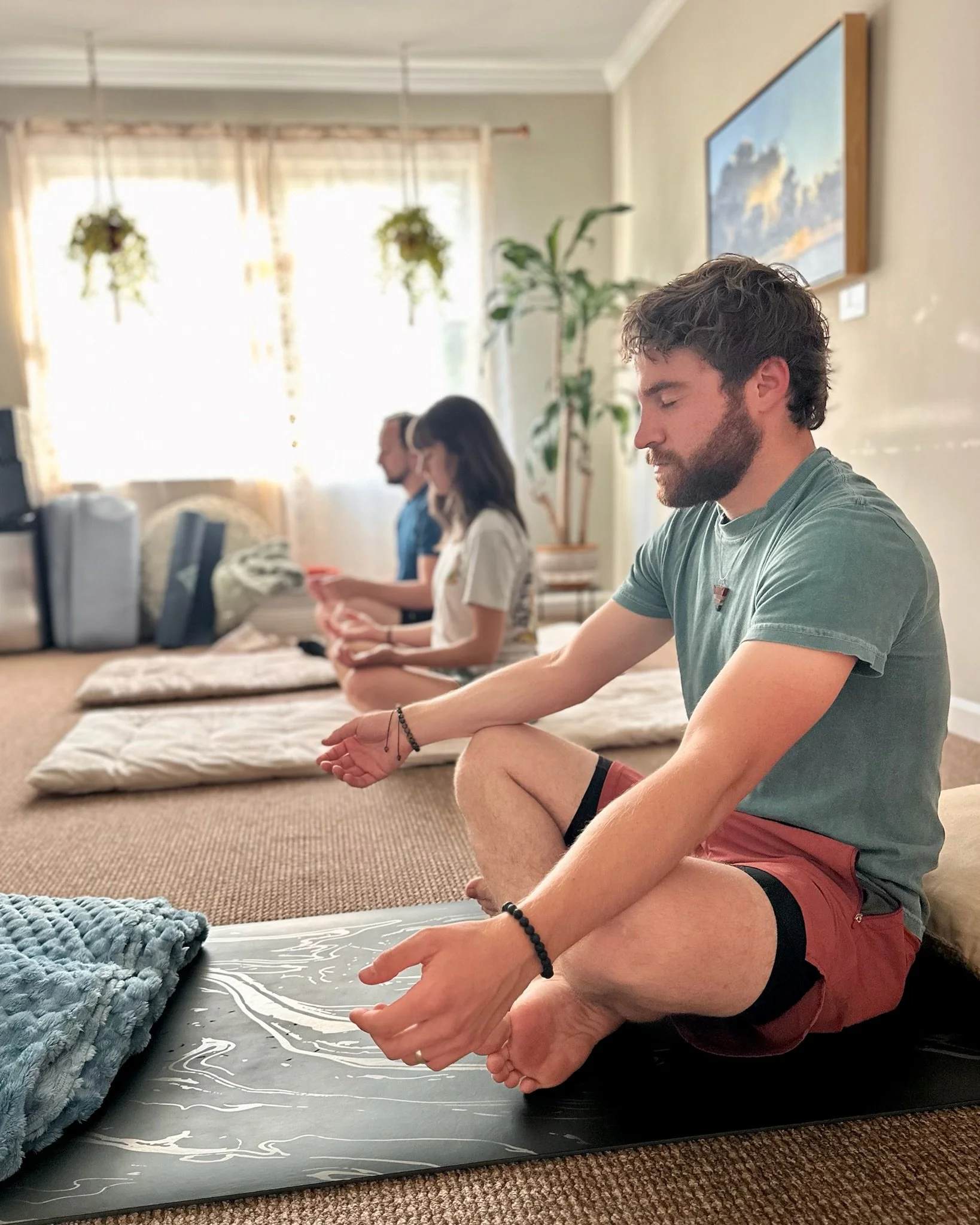
When we think about improving our health, we often focus on nutrition, exercise, sleep, or supplements. While all of these are incredibly important, there's one powerful tool we use every moment of every day that often goes unnoticed: Our breath.
You take around 20,000 breaths every day, and each one sends important signals to your brain and body. The way you breathe can influence your heart rate, nervous system, immune function, stress levels, focus, energy, sleep, and even digestion. In many ways, breath is the foundation that supports every other aspect of health.
The Science Behind Your Breath
Breathing isn't just about getting oxygen into the body. It's also about regulating carbon dioxide, balancing your nervous system, and communicating with your brain.
When we feel stressed, anxious, or overwhelmed, our breathing naturally becomes faster and shallower. This activates the parasympathetic nervous system -- our body's "fight or flight" response -- which is helpful during real danger but exhausting when it becomes our default state.
Slow, intentional breathing has the opposite effect. Research has shown that controlled breathing can:
Lower heart rate and blood pressure
Reduce stress hormones like cortisol
Improve heart rate variability (an important marker of resilience)
Improve sleep quality
Enhance athletic performance and recovery
One of the reasons this works is through stimulation of the vagus nerve, a key component of the parasympathetic ("rest and digest") nervous system. Simply slowing your exhale sends your brain a message that you are safe, and your entire body begins to respond.
Small Breaths, Big Benefits
You don't need an hour-long practice to experience the benefits of conscious breathing. Even a few intentional breaths can make a meaningful difference.
Try incorporating one of these into your day:
Lengthen your exhale. Inhale for four counts and exhale for six or eight. A longer exhale helps calm the nervous system.
Pause before reacting. Before responding to an email, difficult conversation, or stressful situation, take three slow breaths. This creates space between stimulus and response.
Breathe through your nose. Nasal breathing filters, humidifies, and warms the air while helping you body use oxygen more efficiently.
Create a breathing break. Set aside just 2-5 minutes each day to simply sit, notice your breath, and slow it down. Consistency matters more than duration.
Breath Is a Practice
Like any healthy habit, breathing with intention becomes easier the more often you practice it. You don't have to "do it perfectly." Simply bringing awareness back to your breath -- even for a few moments -- can help you reconnect with your body and create a sense of calm in the middle of a busy day.
A Book We Love
If you would like to learn more about the incredible science of breathing, we highly recommend Breath: The New Science of a Lost Art by James Nestor. This fascinating read explores how modern breathing habits affect our health and shares practical ways to breathe more efficiently for better physical and mental well-being.
We have copies available both in our wellness shop, so you can continue exploring the remarkable power of your breath.
We hope you will take a few slow, intentional breaths today. Sometimes, the simplest practices are the ones that transform us the most.
P.S. Breath awareness is woven into all of our yoga classes and meditation sessions because it's one of the simplest and most effective ways to regulate the nervous system, reduce stress, and deepen your mind-body connection. We would love to help you experience these benefits firsthand at your next visit! Call our office at (410)989-2034 to learn more and schedule a private session, or visit our website to keep an eye on our upcoming group events.