

Joyful movement vs disciplined movement: What’s the difference?
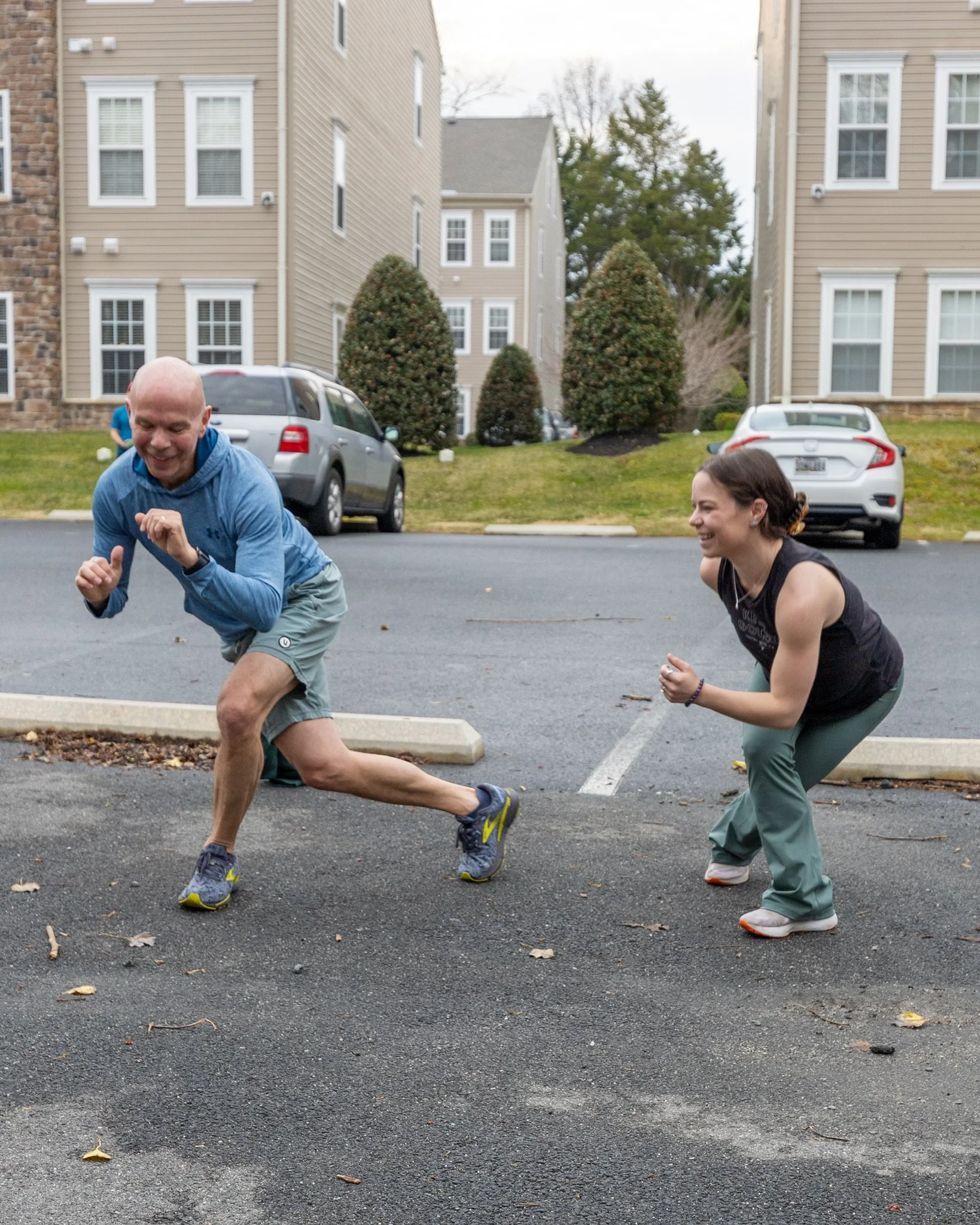
For a long time, many of us were taught to think about exercise through the lens of discipline. Push harder. Burn more calories. Earn your food. "No excuses."
Movement might have become something tied to punishment, control, or shrinking ourselves rather than something that could support our health, energy, and connection to our bodies. And for many people -- especially those recovering from disordered relationships with exercise, body image, or food -- that mindset can make movement feel stressful, shame-filled, or disconnected from joy entirely.
But movement does not have to come from self-criticism to be effective. You can break a sweat and still love your body. You can challenge yourself without punishing yourself. You can move in ways that support your health without obsessing over calories, guilt, or appearance.
Joyful movement doesn't mean movement has to be easy all the time, or that you only move when you feel perfectly motivated. It means your relationship with movement is rooted in support rather than shame.
Research consistently shows that people are more likely to maintain movement routines when they genuinely enjoy them. And sustainable movement habits often support both physical and mental health more effectively than extreme, all-or-northing approaches.
Movement can improve cardiovascular health, strength, mood, sleep, stress regulation, and energy levels without needing to become obsessive or punishing.
If your relationship with exercise has become rigid, guilt-driven, or exhausting, start by reconnecting with curiosity instead of rules. Notice how different forms of movement make you feel -- not just physically, but emotionally and mentally. Some days your body may crave a strength workout. Other days, it may need stretching, walking, dancing in the kitchen, yoga, or rest.
Try shifting the focus away from appearance or numbers and toward support. Ask yourself if this movement helps you feel stronger, more energized, more connected to your body, less stressed, and/or more present? Those things matter, too.
It can also help to redefine what "counts" as movement. A walk outside, gardening, recreational sports, gentle mobility work, or playing with your children are all valid forms of movement. Exercise does not only "count" if it is intense.
And don't forget that rest is an important part of a healthy movement practice, too.
You do not need to hate you body into healthier habits. In fact, many people find they move more consistently when movement feels supportive, enjoyable, and adaptable rather than rigid and guilt-driven. Your body deserves a relationship with movement that is rooted in respect, not punishment.
Maybe this season isn't about forcing yourself into a routine you dread. Maybe it's about learning to move in ways that help you feel more like yourself again.