

These wellness trends sound good, but they don’t actually support your body.
Happy April Fool's Day! In honor of this little holiday, we've decided to take a closer look at something many of us encounter daily: wellness trends that sound convincing, but don't always support our bodies in ways we think.
In a world full of quick fixes and viral health advice, it's easy to be misled by strategies that promise fast results. But true, sustainable wellness is rarely extreme. It's built on consistency, balance, and evidence-based care.
Let's gently clear up a few common trends that may be doing more harm than good:
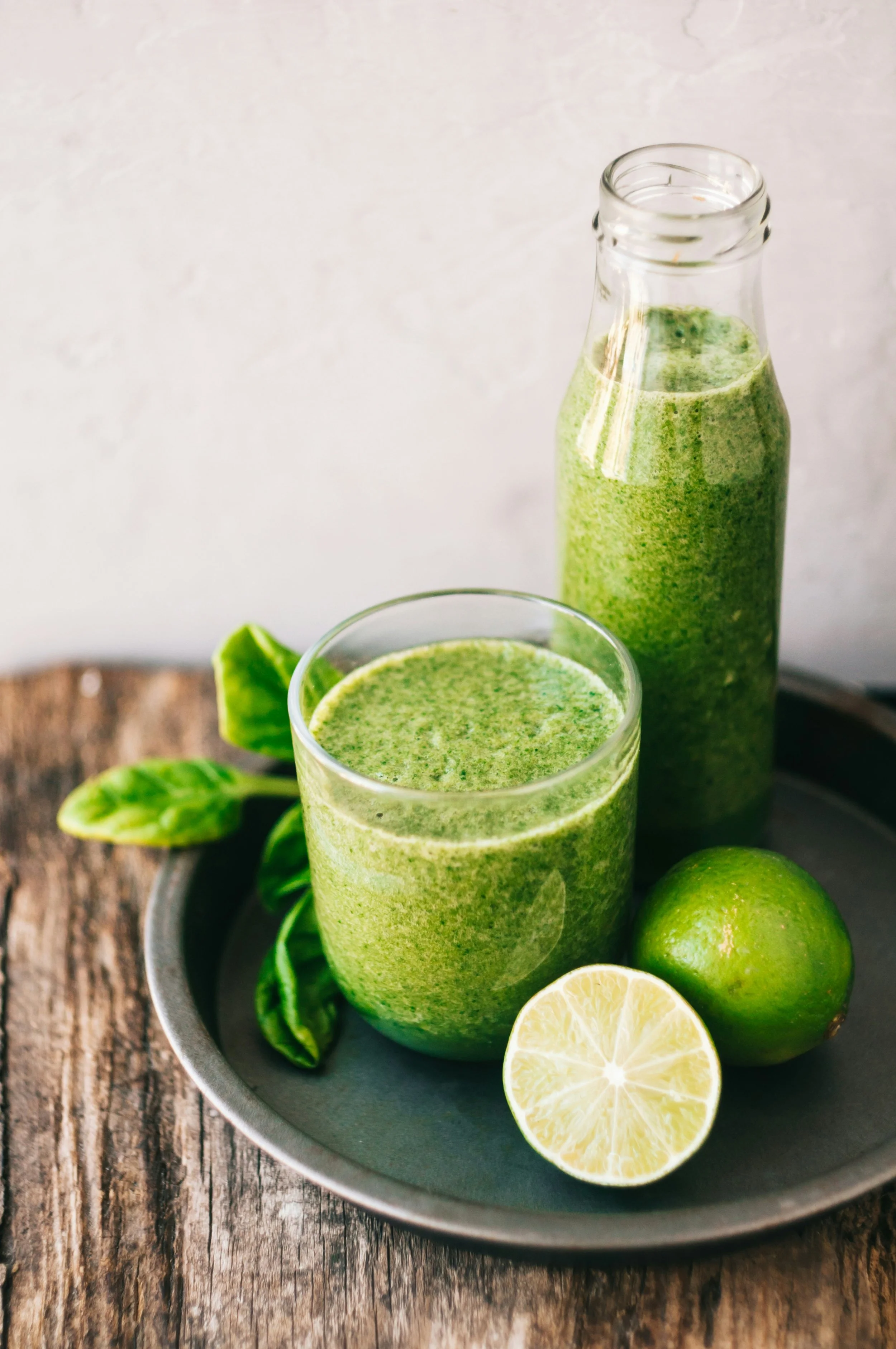
Trend #1: Extreme Detoxes & Juice Cleanses
While marketed as a way to "reset" the body, most detoxes aren't necessary, and they can sometimes be counterproductive.
Here's what the research shows: Your body already has a highly effective detox system -- primarily the liver, kidneys, lungs, and digestive tract. Studies have found limited evidence that commercial detox diets improve toxin elimination, and many lack sufficient protein and calories, which can lead to fatigue, blood sugar instability, and muscle loss.
What actually helps: Support your body's natural detox pathways with adequate hydration, fiber-rich foods, balanced nutrition, and consistent meals.
Trend #2: Cutting Entire Food Groups
Whether it's carbs, fats, or entire categories of foods, restrictive trends often promise better energy or weight loss.
Here's what the research shows: Unless medically necessary, eliminating major food groups can lead to nutrient deficiencies and may negatively impact hormones, metabolism, and gut health. Balanced diets that include a variety of macronutrients are consistently associated with better long-term health outcomes.
What actually helps: Focus on variety and balance, including protein, healthy fats, carbohydrates, and fiber to support energy, mood, and metabolic health.
Trend #3: "No Days Off" Fitness Mentality
Pushing your body every day without rest is often framed as discipline, but it can backfire.
Here's what the research shows: Recovery is essential for muscle repair, nervous system regulation, and injury prevention. Overtraining has been linked to increased cortisol levels, fatigue, decreased performance, and disrupted sleep.
What actually helps: Incorporate rest days, gentle movement, and recovery practices like stretching, yoga, and adequate sleep.
Trend #4: Over-Reliance on Supplements
Supplements can be helpful, but they are often used as a replacement for foundational habits.
Here's what the research shows: For most people, nutrients are best absorbed through whole foods. Excessive or unnecessary supplementation can sometimes lead to imbalances or interactions, especially without guidance.
What actually helps: Use supplements intentionally and with professional support, while prioritizing nutrient-dense foods first.
Trend #5: Hustle Culture Disguised as Wellness
Early mornings, packed routines, and constant productivity are often labeled as "healthy habits."
Here's what the research shows: Chronic stress and lack of recovery can negatively impact immune function, hormone balance, cardiovascular health, and mental wellbeing. Long-term health is closely tied to nervous system regulation, not constant output.
What actually helps: Build routines that include rest, flexibility, and nervous system support, not just productivity.
If a health trend feels extreme, restrictive, or unsustainable, it's worth questioning. Your body thrives on consistency, nourishment, rest, and regulation, not quick fixes.
At Evolve Wellness, we focus on personalized, whole-person care, supporting your body through nutrition, movement, stress management, and evidence-informed practices that actually last.
This April Fool's Day, instead of falling for wellness fads, consider coming back to the basics: eat well, move gently, rest deeply, and listen to your body. That's where real health begins.