


Welcome to our blog!
Welcome to the Evolve Wellness blog, a space for insight, inspiration, and healing. Here, we explore the many dimensions of holistic health, ranging from mind-body practices to seasonal self-care tips.
Our goal is to share knowledge that empowers you to connect more deeply with yourself and your well-being. Whether you're curious about acupuncture, therapy, nutrition, energy work, or anything in between, you'll find thoughtful guidance rooted in compassion and connection.
We’re so glad you’re here! Let’s grow and evolve together.
NOTE: To subscribe, you must check the “Sign up for news and updates” box.

The mind-body connection: Why stress doesn’t stay in your head.
Stress isn’t only something you think or feel. It’s a biological response that affects your entire body.

What to do when your coping strategies stop working.
Coping strategies are the thoughts, behaviors, and actions we use to manage stress and difficult emotions. The usefulness of a particular strategy often depends on the circumstances.

Your attention is a resource: How to protect your mental energy.
Our attention is constantly being asked to move. Between notifications, emails, social media, work, family responsibilities, errands, news, and the countless small decisions that fill our days, it’s easy to feel mentally exhausted, even when we haven’t done anything particularly demanding.
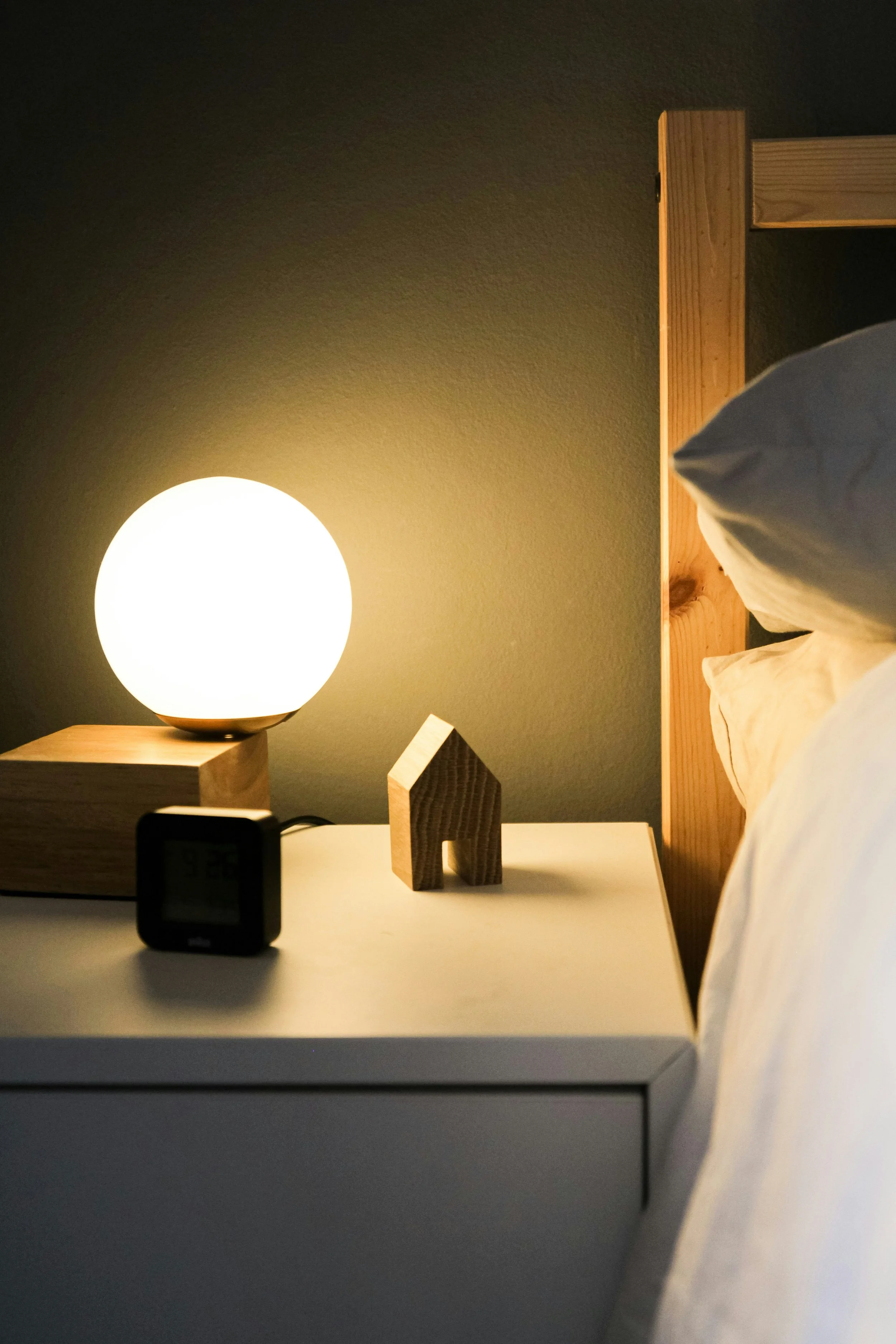
Sleep is more than rest: How sleep impacts your mental and physical health.
Sleep supports memory, emotional regulation, immune function, metabolism, cardiovascular health, and cognitive performance. It also helps regulate the internal biological clock that influences when we feel awake, tired, hungry, and ready to rest.

How to really check in with the people you love.
When someone we care about is struggling, it’s natural to worry about saying the wrong thing. But meaningful support doesn’t require having all the answers.

The power of asking for help.
Many of us carry the belief that we should be able to do this life alone. But being capable doesn’t mean you aren’t allowed to need support.

Mental health is health: Why your emotional well-being deserves the same attention as your physical health.
We know it’s important to get enough sleep, eat nourishing foods, move our bodies, and see a healthcare provider when something doesn’t feel right. But when it comes to our mental and emotional health, many of us still hesitate to offer ourselves the same level of care.
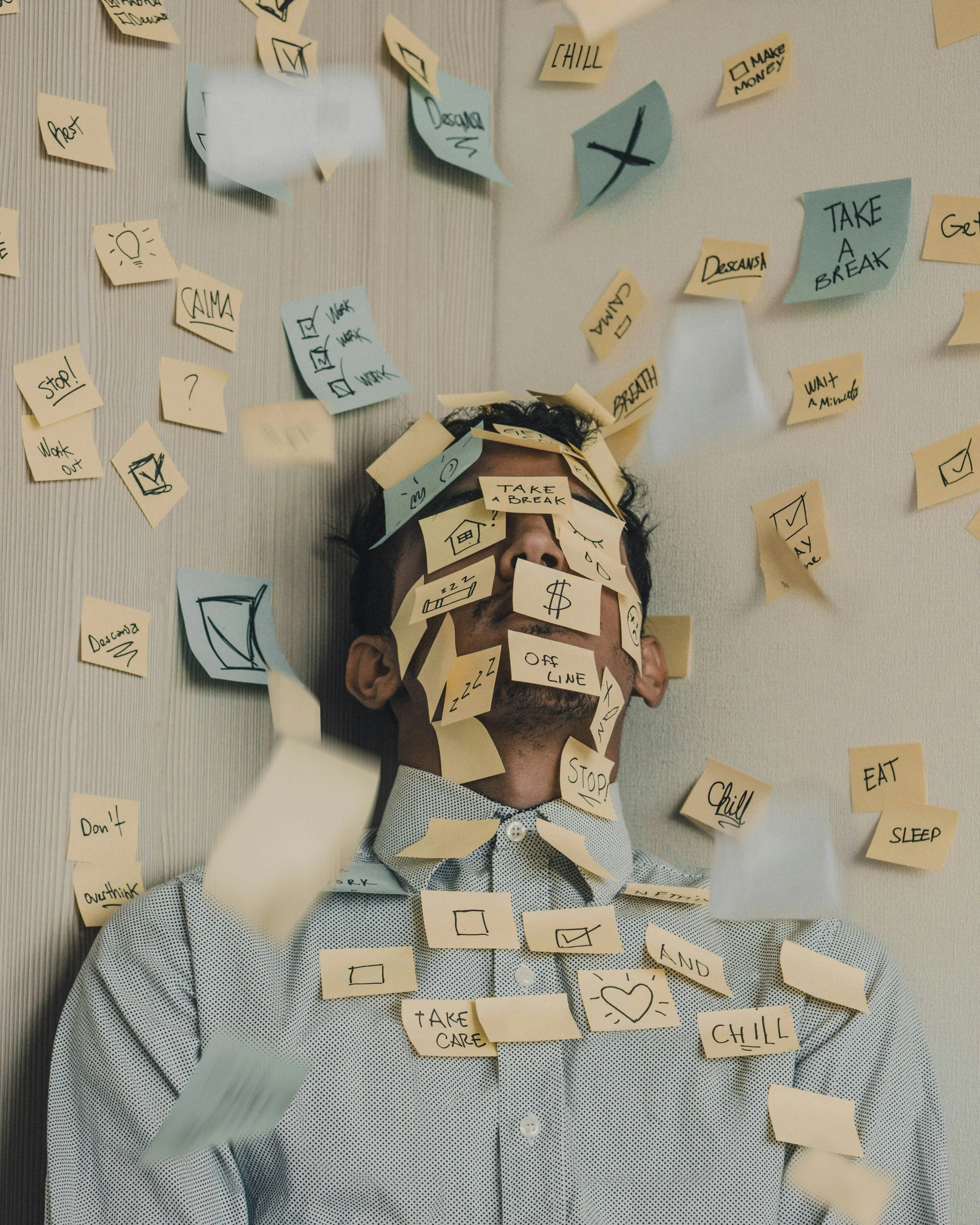
Decision fatigue: Why you’re so tired by the end of the day.
After making decisions all day — what to wear, what to prioritize, how to respond to an email, what your family needs, when to exercise, what to buy, what to say — you may find yourself completely depleted by seemingly simple choices. This experience is often described as decision fatigue.

You’re not behind: Letting go of the pressure to “have it all together.”
Our brains naturally look to other people for information about how we are doing, where we fit, and what we should be doing next. The problem is that we rarely compare ourselves to the whole picture.

What happens when your care team works together?
At Evolve Wellness, we believe healing doesn’t happen in silos. That’s why we take an integrative approach, bringing together care for your mind, body, and spirit, so every part of your wellness supports the others.

Simple ways to feel calm before the fall rush.
Even if your life doesn’t revolve around the school year, this time of year often brings a collective sense that life is about to speed up. Rather than waiting until you are overwhelmed, consider this an invitation to pause.
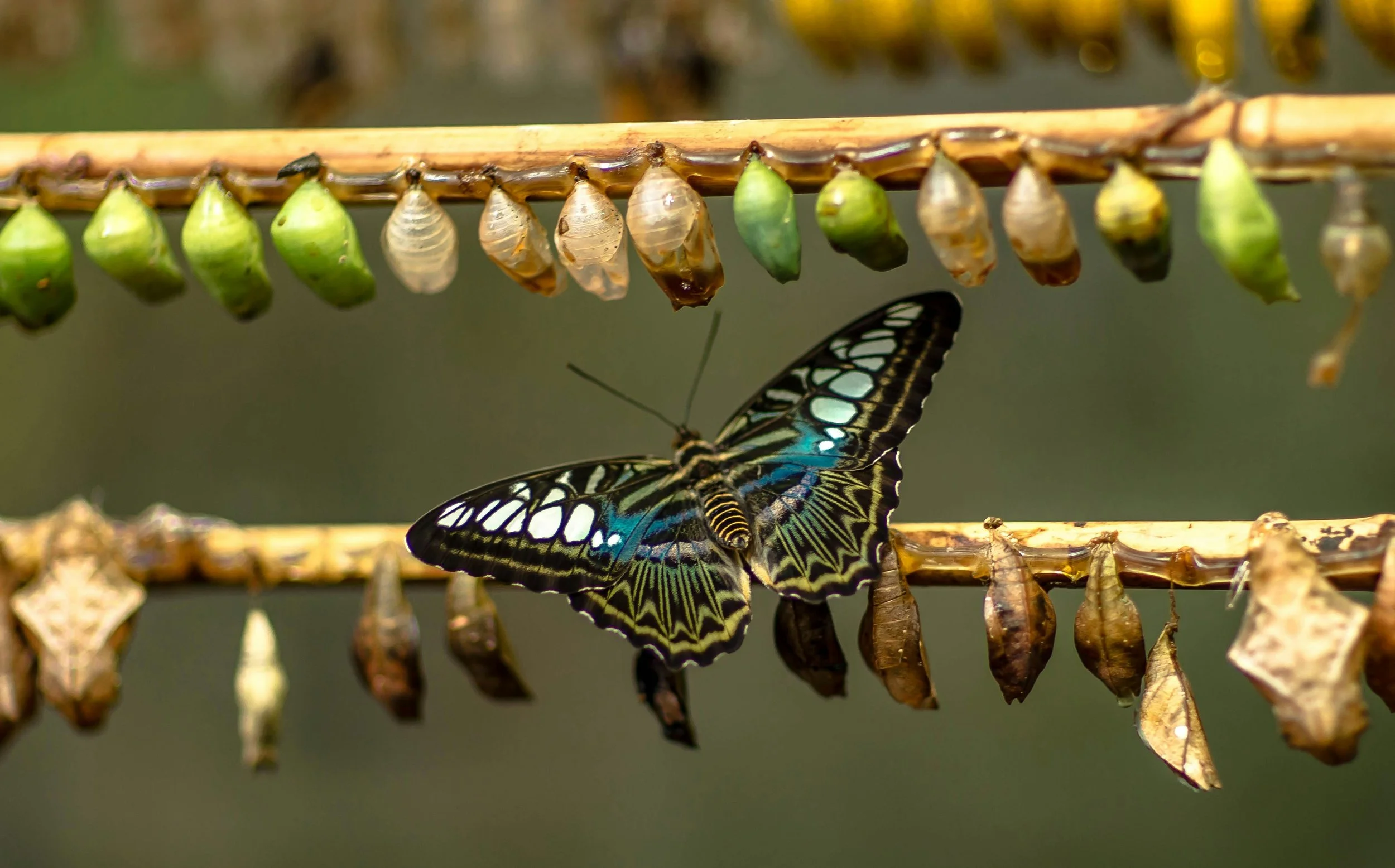
The hidden stress of transitions: Why change feels hard (even good change).
A new school year, a new job, moving into a new home, getting married, welcoming a child, retiring, starting therapy, beginning a healthier lifestyle — most of us think of these as positive life events. So why can they still feel so stressful?
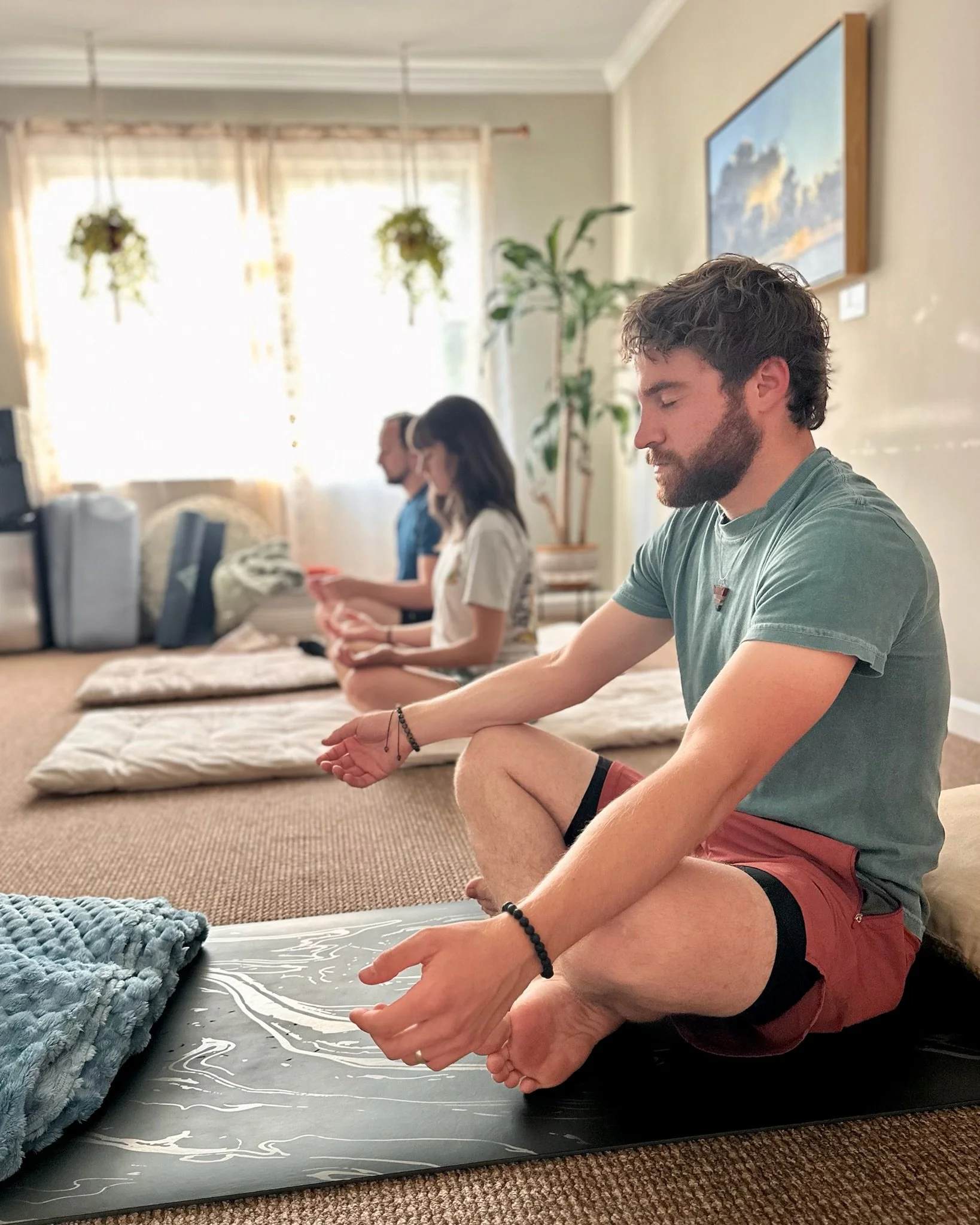
The most powerful health tool is one you already have.
when we think about improving our health, we often focus on nutrition, exercise, sleep, or supplements. While all of these are incredibly important, there’s one powerful tool we use every moment of every day that often goes unnoticed: Our breath.
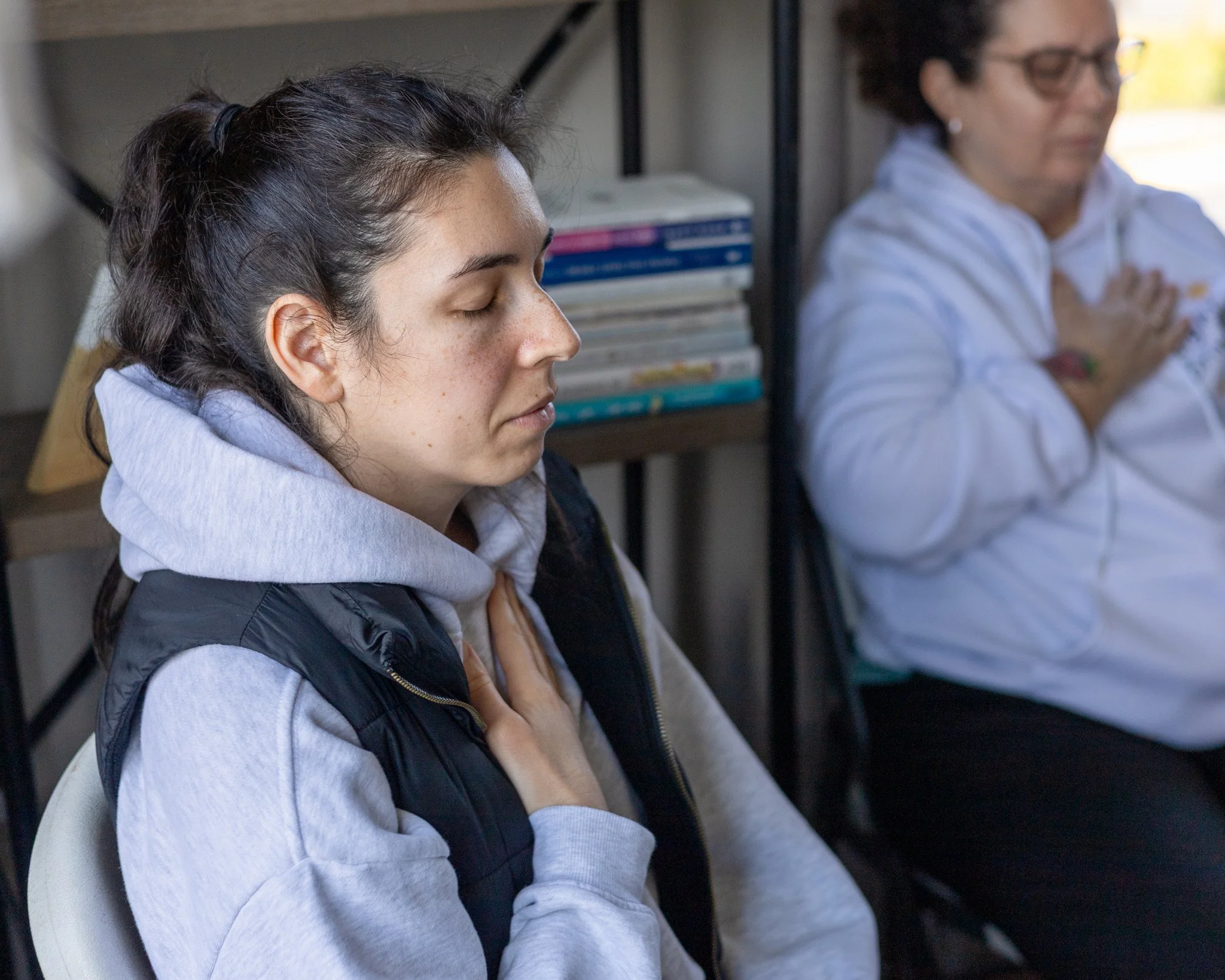
The art of being present: Reconnecting with the moment you are in.
Being present doesn’t mean emptying your mind or never getting distracted. It means intentionally bringing your attention back to what is happening right now.
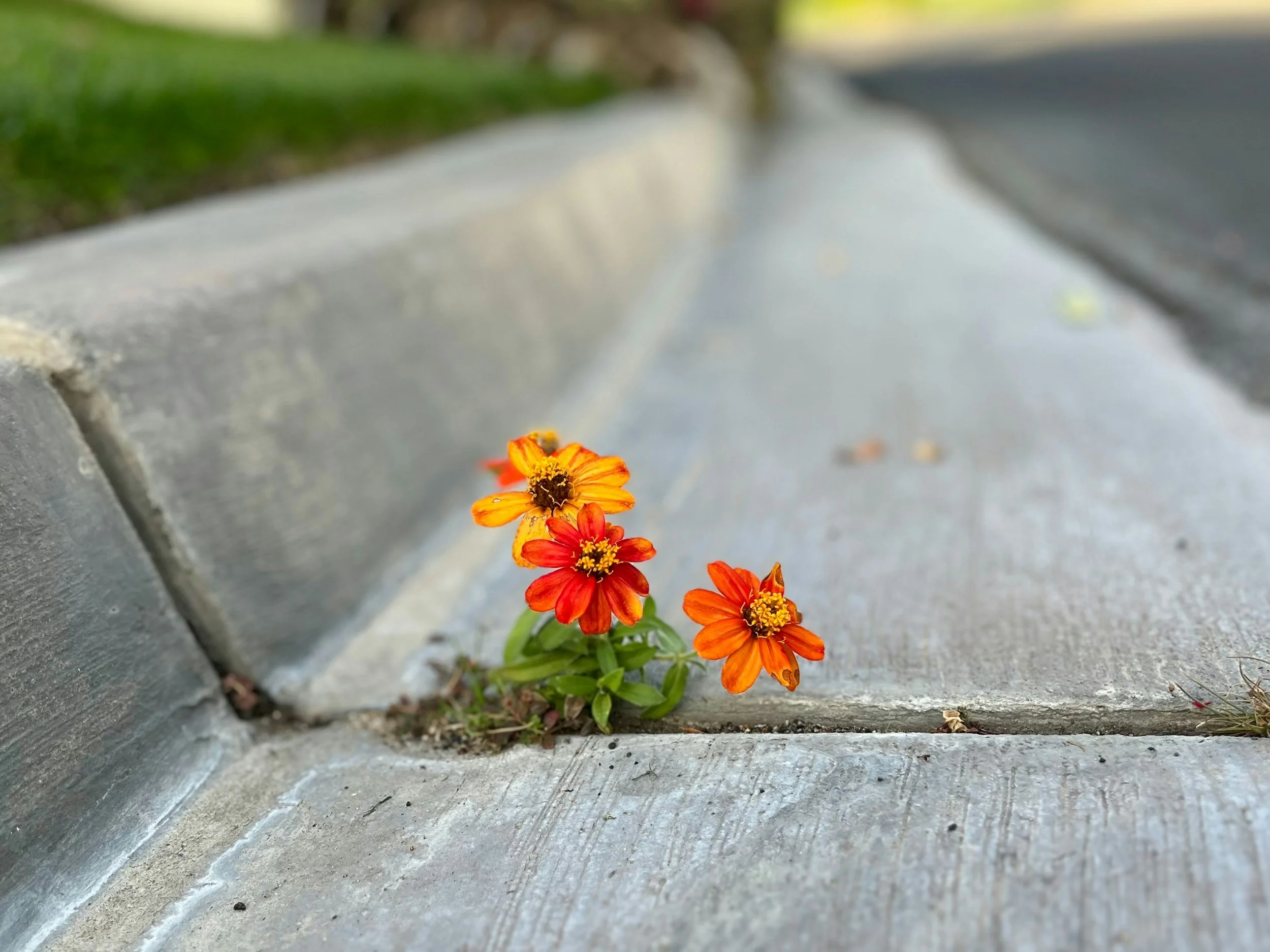
Four simple tools for building emotional resilience.
We can’t control every difficult conversation, unexpected setback, or season of uncertainty. But we can develop the skills to move through those experiences with greater confidence and self-compassion.
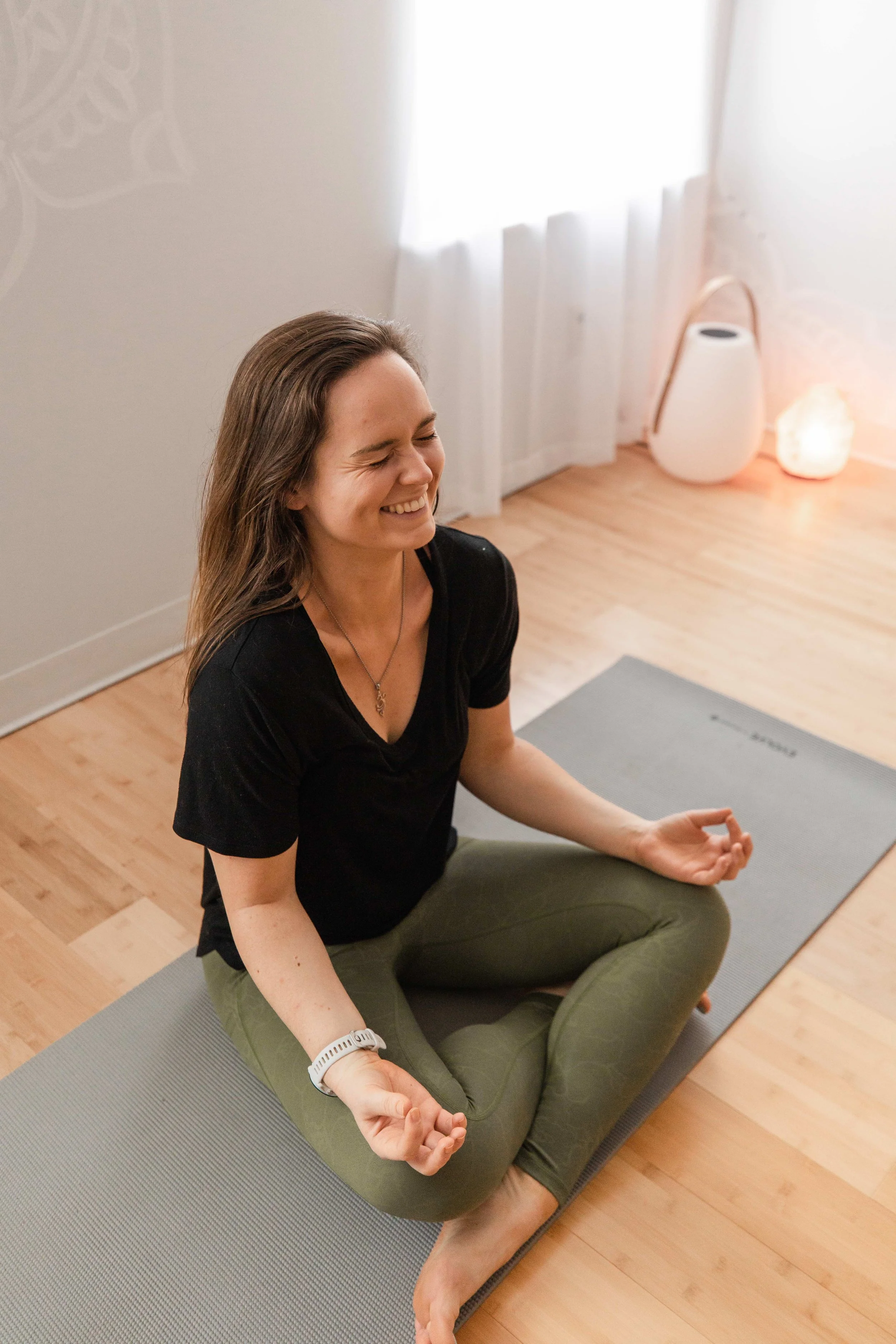
What if joy was part of your health plan?
When we think about well-being, we often focus on reducing stress or improving our physical health. While those things are important, research suggests that having a sense of purpose and engaging in activities that feel meaningful are also associated with better mental health, greater resilience, and higher overall life satisfaction.
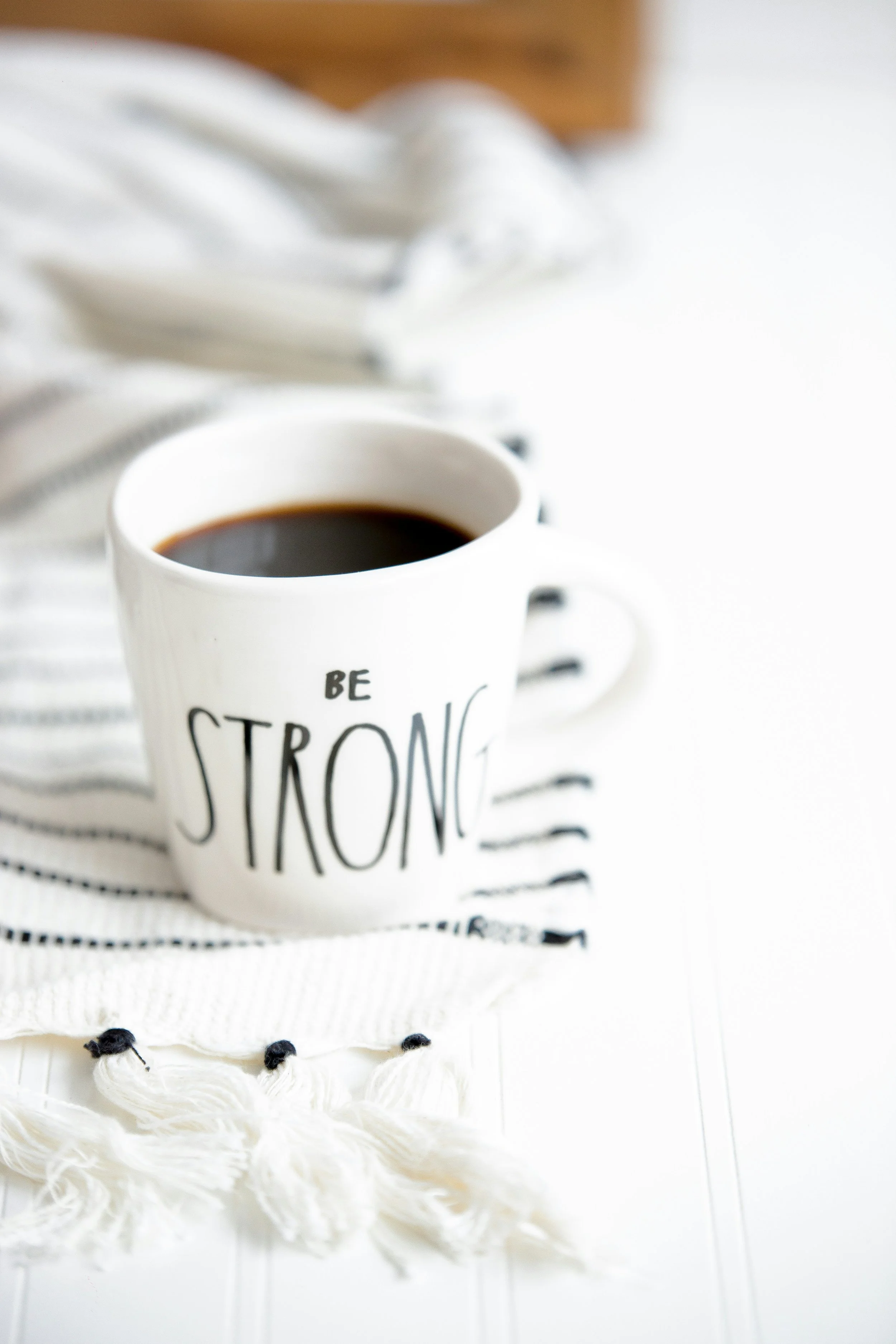
When you’ve been strong for too long…
For many people, strength becomes less of a choice and more of a survival strategy. Over time, that strategy can lead to emotional burnout, chronic stress, and a deep sense of disconnection from your own needs.

The healing power of walking.
When people think about improving their health, they often imagine intense workouts, complicated wellness routines, or expensive fitness programs. But one of the most effective, accessible, and well-researched forms of exercise is something many of us do every day: Walking.

Feeling overwhelmed? Here’s how summer affects your nervous system.
Summer tends to bring an increase in sensory input and demands on our energy — hotter temperatures, travel, crowds, increased activity, longer daylight hours, changes in sleep patterns, and packed calendars. Even when these experiences are enjoyable, they still require energy for the body and brain to process.

How chronic stress shows up in the body.
When the body spends weeks, months, or even years in a state of heightened alertness, the systems designed to protect us can begin to show signs of wear and tear. Understanding how chronic stress affects the body can help us recognize early warning signs and take steps to support our health before burnout takes hold.