

When you think about moving your body, what's the first thing that comes to mind?
Maybe it's the gym, a scheduled workout, or a certain number of steps on your fitness tracker.
But movement is so much more than structured exercise. It's walking the dog, stretching between meetings, gardening on a sunny afternoon, dancing while you make dinner, carrying groceries, or taking the stairs instead of the elevator. Movement doesn't have to be intense, structured, or even planned to be valuable.
Regular physical activity supports cardiovascular health, muscle and bone strength, mobility, balance, mood, and overall well-being. And it doesn't have to happen all in one session.
Research shows that physical activity accumulated throughout the day counts toward health benefits. Even short bouts of movement can be worthwhile, particularly when they help us spend less time sitting.
The goal is to find ways to move that fit your life and support your health. Not sure where to start? Try something that feels natural rather than adding another obligation to your schedule.
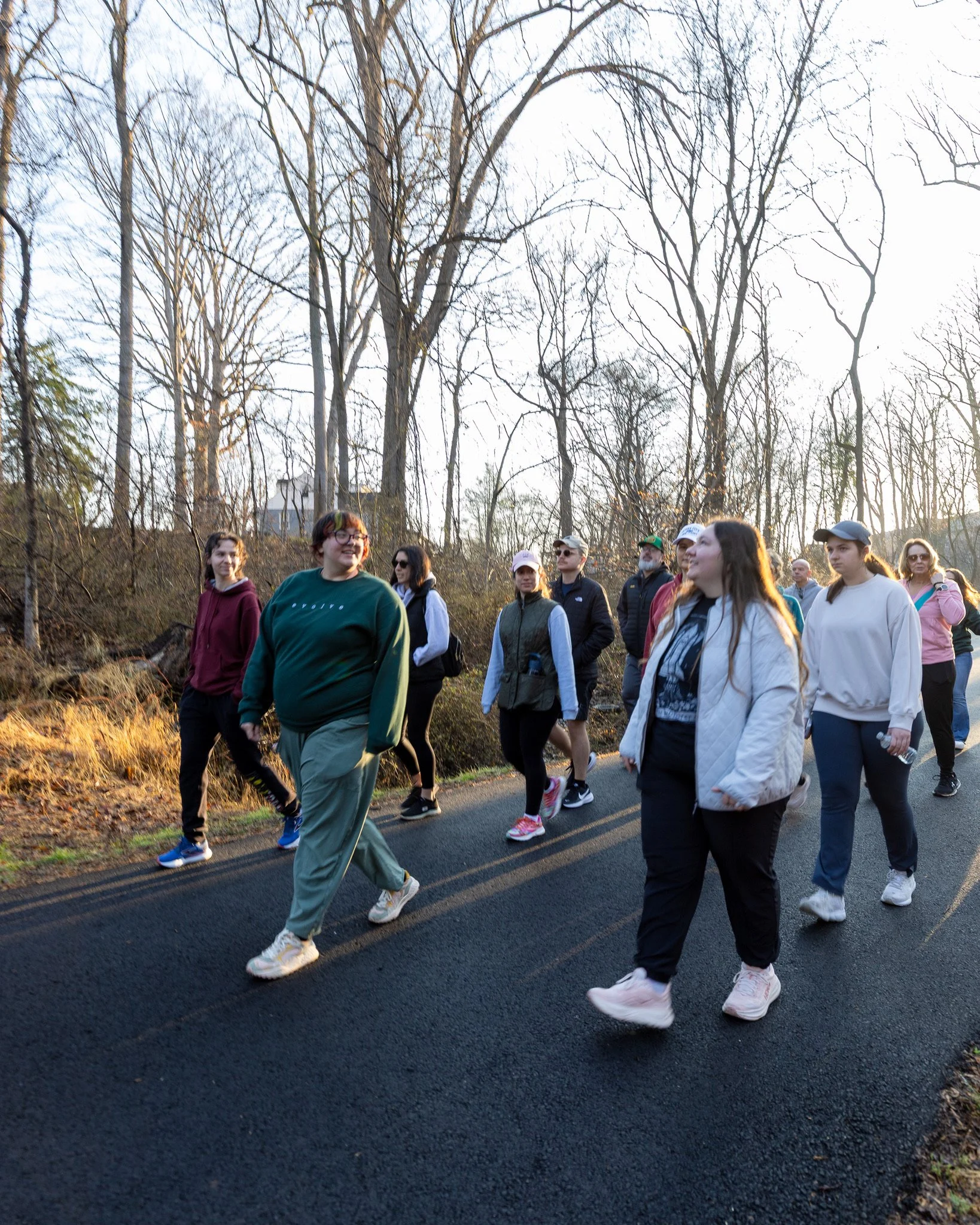
Take a walk. Walk your dog, explore a local trail, or take a short stroll during a break.
Stretch when you need to. Roll your shoulders, stretch your back, or take a few minutes to move after sitting for a while.
Garden or spend time outdoors. Planting, raking, watering, and tending to plants get you moving while connecting you with nature.
Turn on your favorite music. Dance while cooking, cleaning, or getting ready for the day.
Make chores more active. Laundry, vacuuming, tidying, and other household tasks involve movement, too.
Explore mobility and gentle movement. Try yoga, simple balance exercises, or movements that help you feel more comfortable in your body.
Build in movement breaks. Stand up, walk around, or change positions throughout the day when you can.
The most sustainable movement routine is one that works with your actual life, not an idealized version of it.
Start where you are. Five minutes of movement is a perfectly reasonable place to begin.
Choose what you enjoy. If you dislike running, you don't have to run. Try swimming, dancing, walking, or something else that feels good.
Adapt to your energy. Some days call for strength training or a longer walk. Others call for gentle stretching or a few trips around the house. Your needs can change from day to day.
Let go of the all-or-nothing mindset. A short walk still counts when you don't have time for a longer one. Missing a planned workout doesn't mean you've failed.
And remember, movement should support your well-being, not become a source of guilt. Rest is important, too, and your capacity may vary depending on your health, energy, ability, or other circumstances.